
Causes of Heat Exhaustion
The causes of heat exhaustion stem from a combination of environmental, physical. Furthermore, physiological factors that interfere with the body’s ability to regulate internal temperature. At its core, heat exhaustion occurs when the body loses more fluids and electrolytes than it can replace. Usually due to excessive sweating in hot or humid conditions. As dehydration sets in, and the cooling mechanisms become less effective. The core body temperature rises, leading to symptoms that can become severe if left untreated. Understanding the causes of heat exhaustion is crucial for prevention, especially during heatwaves or intense physical exertion.
The most direct cause of heat exhaustion is prolonged exposure to high temperatures, particularly when accompanied by high humidity. In hot environments, the body relies on sweat evaporating from the skin to cool down. However, high humidity significantly reduces the rate of evaporation, making it harder for the body to shed excess heat. This leads to an internal buildup of heat, especially if the person continues to exert themselves physically.
Physical activity in hot conditions
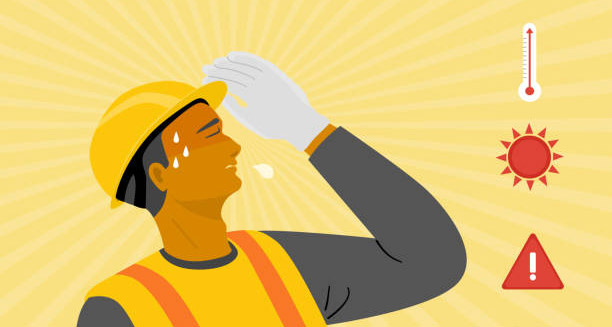
Physical activity in hot conditions is one of the most common triggers of heat exhaustion. When muscles work intensely, they generate heat, which adds to the body’s thermal burden. Athletes, labourers, soldiers, and outdoor workers are particularly at risk, especially if they are not acclimatised to the heat or have inadequate fluid intake. In these cases, the combination of exertion and environmental heat overwhelms the body’s cooling mechanisms, causing a cascade of dehydration, electrolyte loss, and core temperature elevation.
Dehydration is a central contributing factor. As the body sweats in an attempt to cool down, it loses not only water but also vital salts such as sodium and potassium. Without timely rehydration, blood volume decreases, circulation becomes impaired, and the ability to regulate temperature is compromised. Even mild dehydration can impair thermoregulation and physical performance, making heat exhaustion more likely during moderate activity in hot conditions.
Causes of Heat Exhaustion
Electrolyte imbalance—especially a loss of sodium—is another major cause. Sodium plays a critical role in fluid balance and nerve function. When large volumes of sweat are lost without proper electrolyte replacement (as happens when people drink only plain water or no fluids at all), sodium levels in the blood can drop dangerously low. This condition, known as hyponatraemia, can mimic or worsen the symptoms of heat exhaustion and increase the risk of confusion, muscle cramps, and fainting.
Wearing inappropriate clothing can also contribute to heat exhaustion. Heavy, dark, or non-breathable garments trap body heat and reduce the evaporation of sweat. In contrast, light-coloured, loose-fitting, and breathable clothing facilitates cooling. Individuals who wear tight uniforms, protective suits, or traditional garments in hot weather are at increased risk, particularly if ventilation is poor.
Certain medications and medical conditions increase susceptibility. Drugs that reduce sweating (e.g. anticholinergics), lower blood pressure (e.g. beta-blockers or diuretics), or affect fluid balance (e.g. laxatives, some psychiatric medications) can all impair thermoregulation. People with chronic conditions such as heart disease, diabetes, kidney disorders, and lung disease are also more prone to heat-related illness, either due to impaired fluid retention, decreased heat tolerance, or medication interactions.
Age plays a significant role in vulnerability. Older adults have a reduced ability to sweat and perceive thirst, which delays their response to heat stress. They are also more likely to have medical conditions or take medications that interfere with temperature regulation. Children, particularly infants and toddlers, are also highly susceptible due to their higher metabolic rate, greater surface area-to-body mass ratio, and limited capacity to regulate temperature or communicate symptoms effectively.
Causes of Heat Exhaustion
Poor ventilation and indoor heat exposure are often overlooked causes of heat exhaustion. People who live or work in buildings without adequate airflow or air conditioning are at risk—even when staying indoors—especially during heatwaves. Urban environments, which retain more heat due to concrete and asphalt surfaces, create “heat islands” that significantly increase local temperatures and exposure risk, even after sunset.
Alcohol consumption and caffeine intake may also contribute. Both substances can cause dehydration by increasing urine output and interfering with the body’s fluid regulation. Alcohol in particular impairs judgement and reduces the body’s ability to detect and respond appropriately to heat stress, making it a common indirect factor in cases of heat exhaustion.
Another increasingly relevant factor is climate change, which has led to more frequent and intense heatwaves across the globe. Populations in regions unaccustomed to extreme heat are particularly vulnerable, as people may not be prepared with appropriate infrastructure, knowledge, or resources to stay safe. Sudden spikes in temperature—before the body has time to acclimatise—can overwhelm individuals who are otherwise healthy and active.
Poor hydration habits and lack of access to fluids, especially during prolonged outdoor work or exercise, further increase the risk. People often underestimate how much fluid they are losing through sweat, particularly when symptoms are mild or slow to develop. When drinking is restricted due to environmental conditions, cultural practices, or personal neglect, the risk of heat exhaustion rises significantly.
Causes of Heat Exhaustion
In summary, the causes of heat exhaustion involve a combination of heat exposure, fluid and salt loss, physical activity, and individual vulnerability. While the condition is entirely preventable, many cases arise due to a lack of awareness, preparedness, or access to cooling strategies. Identifying risk factors early and responding proactively—through hydration, rest, shade, and appropriate clothing—can prevent the onset of heat exhaustion and protect individuals from its potentially severe consequences.[Next: Diagnosis of Heat Exhaustion →]