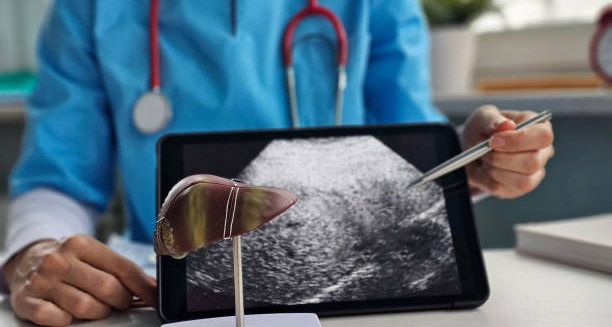

Causes of Hepatitis
The causes of hepatitis are diverse and complex, encompassing viral infections, toxins, medications, autoimmune reactions, and metabolic conditions. Understanding the causes of hepatitis is crucial for effective diagnosis, treatment, and prevention. As each type of hepatitis has its own mode of transmission, risk factors, and long-term implications. Although hepatitis is commonly associated with viral infections. It is important to recognise that many non-infectious triggers can also lead to significant liver inflammation.
The most prevalent and widely recognised causes are hepatitis viruses, which include types A, B, C, D, and E:
Hepatitis viruses
Hepatitis A virus (HAV) is typically transmitted through the faecal–oral route, often via contaminated food or water. Poor sanitation and overcrowded living conditions increase the risk, particularly in developing countries. The infection is usually acute, with symptoms lasting a few weeks. Most people recover completely and develop lifelong immunity.
The hepatitis B virus (HBV) spreads mainly through blood and bodily fluids. People catch it during unprotected sex, by sharing needles, through unscreened blood transfusions, or from mother to baby at birth. While many adults clear the infection naturally. Others—especially infants and young children—can develop chronic hepatitis B, which increases the risk of cirrhosis and liver cancer.
Hepatitis C virus (HCV) is also blood-borne. With the most common route of transmission being needle sharing among intravenous drug users. Before the introduction of rigorous blood screening, many cases were also linked to transfusions. Unlike hepatitis B, hepatitis C rarely causes symptoms in the early stages but is more likely to become chronic, silently damaging the liver over time.
Hepatitis D virus (HDV) is a defective virus that only causes infection in people already infected with hepatitis B. It can worsen liver disease progression significantly. HDV is transmitted through similar routes as HBV and is more common in parts of Eastern Europe, South America, and Africa.
Hepatitis E virus (HEV) spreads like hepatitis A—through contaminated food or water. Outbreaks often occur in areas with poor sanitation. HEV typically causes an acute infection, but it can be particularly dangerous during pregnancy. Where it can lead to fulminant liver failure in some cases.
Causes of Hepatitis
In addition to these viruses, alcohol consumption is a major cause of liver inflammation worldwide. Alcoholic hepatitis develops after prolonged heavy drinking and results in direct injury to liver cells, promoting inflammation and scarring. While early stages may be reversible if alcohol use stops, continued consumption increases the risk of cirrhosis and death. Alcoholic hepatitis is especially dangerous when accompanied by malnutrition or binge drinking.
Drug-induced hepatitis is another significant non-infectious cause. Many medications, herbal supplements, and over-the-counter drugs can cause liver inflammation as a side effect. The most well-known example is paracetamol (acetaminophen) overdose, which is a leading cause of acute liver failure in many countries. Even at therapeutic doses, paracetamol can be toxic to individuals with pre-existing liver disease or those who consume alcohol regularly. Other medications linked to liver injury include antibiotics (e.g., isoniazid, nitrofurantoin), antiepileptics, statins, methotrexate, and some antifungals.
Autoimmune hepatitis
Autoimmune hepatitis occurs when the immune system mistakenly attacks healthy liver cells, causing ongoing inflammation and liver cell destruction. The exact cause is unknown, but it is believed to result from a combination of genetic predisposition and environmental triggers. This condition is more common in women and may coexist with other autoimmune diseases such as type 1 diabetes, coeliac disease, or thyroid disorders. Without treatment, autoimmune hepatitis can lead to cirrhosis and liver failure, but many patients respond well to immunosuppressive therapy.
Metabolic disorders are also responsible for hepatitis in some individuals. A leading example is non-alcoholic fatty liver disease (NAFLD). A condition characterised by fat buildup in the liver in the absence of significant alcohol intake. When inflammation accompanies this fat accumulation, the condition is termed non-alcoholic steatohepatitis (NASH). NASH is strongly linked to obesity, type 2 diabetes, insulin resistance, and metabolic syndrome. It is now one of the most common causes of chronic liver disease globally and can progress to cirrhosis, liver cancer, or liver failure.
Causes of Hepatitis
Less common causes include Wilson’s disease (a genetic disorder causing copper buildup in the liver). Alpha-1 antitrypsin deficiency, and haemochromatosis (iron overload disorder). These inherited conditions lead to progressive liver damage over time and are usually diagnosed in adolescence or adulthood through specialised blood tests and liver biopsy.
In some rare cases, hepatitis can develop in response to environmental toxins. Such as industrial chemicals or poisonous mushrooms (e.g., Amanita phalloides). These agents can trigger sudden, severe liver damage and require urgent medical attention. Acute toxic hepatitis presents with rapid onset of symptoms, including jaundice, nausea, confusion, and bleeding tendencies, and may progress quickly to liver failure if not treated promptly.
It is also important to acknowledge that hepatitis can develop as a secondary condition in the context of systemic infections like Epstein-Barr virus (EBV), cytomegalovirus (CMV), or even severe COVID-19 in some cases. Though hepatitis in these instances is often transient, it may aggravate existing liver disease or present diagnostic challenges.
In summary, the causes of hepatitis span a broad spectrum—from infectious viruses to alcohol, drugs, autoimmune conditions, and genetic disorders. Identifying the underlying cause is essential for determining the appropriate treatment, monitoring, and prognosis. Early diagnosis and intervention are critical in preventing liver scarring, chronic disease progression, and potentially life-threatening complications such as liver failure or hepatocellular carcinoma. As medical knowledge expands and access to testing improves, the ability to distinguish and treat these causes continues to enhance outcomes for those affected by hepatitis.