
The causes of hereditary spastic paraplegia (HSP) centre around genetic mutations, making this condition an inheritable neurological disorder.
These mutations change how nerve cells in the corticospinal tract work. This nerve pathway runs from the brain to the spine and helps control movement. When mutations damage this pathway, nerve cells break down over time. That leads to slow but steady stiffness and weakness in the legs.
Learning about what causes hereditary spastic paraplegia can help people understand their risks. It also helps families make better decisions when planning for children, especially if someone in the family already has HSP.
How the Condition Is Passed Down
Hereditary spastic paraplegia can pass from parents to children in several ways. These include autosomal dominant, autosomal recessive, and X-linked inheritance. Each one affects how likely someone is to develop the condition.
In autosomal dominant cases, just one parent with the faulty gene can pass it on. Each child then has a 50% chance of inheriting the condition. This is the most common type. In autosomal recessive cases, both parents must carry the gene. If that happens, each child has a 25% chance of developing the disorder.
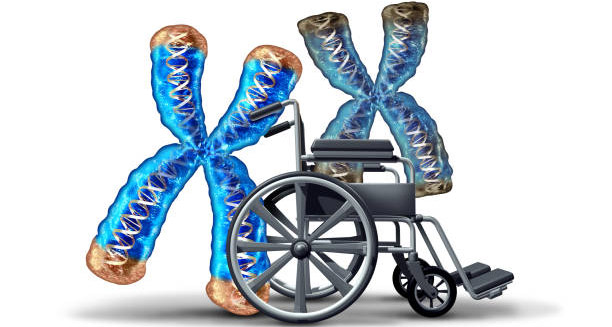
X-linked hereditary spastic paraplegia mostly affects boys. That’s because the mutation is on the X chromosome. Girls can carry the gene and sometimes show mild signs, but they usually don’t get the full disease.
Over 80 different gene types can cause hereditary spastic paraplegia. Three of the most common ones are SPG4, SPG3A, and SPG11.
Key Genetic Mutations Explained
The SPG4 gene mutation affects a protein called spastin. This protein helps nerve cells stay strong and send signals properly. About 40% of autosomal dominant cases come from this mutation. When spastin doesn’t work well, nerve fibres slowly wear down. That damage causes the usual symptoms of hereditary spastic paraplegia.
The SPG3A mutation harms a protein called atlastin. Atlastin is important during early brain and nerve development. So, when it doesn’t work right, symptoms often begin early—in childhood or the teen years.
The SPG11 mutation causes a more complex type of hereditary spastic paraplegia. Along with muscle issues, people might have learning problems, memory loss, or other brain and nerve troubles.
Other mutations continue to be discovered, and each one brings its own pattern of symptoms. That’s why genetic testing is so valuable—it helps pinpoint which mutation is involved and how the disease might progress.
Sometimes, people with hereditary spastic paraplegia wonder if outside factors might affect their symptoms. While outside factors like exercise, nutrition, and general health can play a role, they don’t cause hereditary spastic paraplegia. However, they can affect how fast symptoms appear or how severe they become.
Even diseases that seem unrelated—like Hepatitis A—can, in rare cases, affect the nervous system. But they do not cause hereditary spastic paraplegia, which remains a strictly genetic disorder.
The Role of Testing and Counselling
Genetic testing is a key part of confirming hereditary spastic paraplegia. For families with known cases, it’s wise to speak with a genetic counsellor. These specialists help explain test results, risk levels, and choices for the future.
They also help people understand what having a gene mutation means for them and their children. This makes it easier to plan and prepare with confidence.
Knowing the cause of hereditary spastic paraplegia isn’t just helpful for diagnosis. It also opens doors to early care, treatment planning, and future options—such as gene therapy—that may improve outcomes over time.
As science continues to move forward, new discoveries may lead to better care and even ways to prevent or slow down this complex condition.