
The causes of high blood pressure are numerous and often complex, involving a mix of genetic, lifestyle, and medical factors. Understanding the causes of high blood pressure is essential for both prevention and treatment, as it remains one of the most widespread and dangerous health conditions worldwide. High blood pressure, or hypertension, can quietly damage the body for years before symptoms appear, making early identification of its causes vital to long-term health.
Doctors divide the causes of high blood pressure into two main types: primary (essential) and secondary. Primary hypertension makes up most cases and usually develops slowly without a single cause. Secondary hypertension, however, happens when a medical issue or medication raises blood pressure quickly and clearly.
What Drives Primary High Blood Pressure
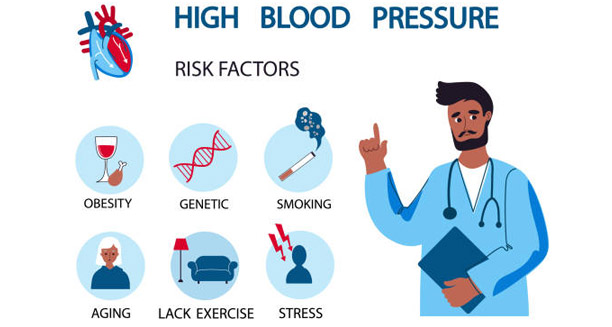
Most people fall under the category of primary hypertension. It doesn’t come from one single problem. Instead, several known risks combine and build up over time:
- Family history – If close relatives have high blood pressure, you’re more likely to get it too. Certain genes can affect how your body handles salt, hormones, or kidney function.
- Getting older – As you age, your blood vessels get stiffer. This makes it harder for blood to flow easily, which raises pressure.
- Unhealthy diet – Eating too much salt is a major cause. Salt holds water in the body, increasing blood volume and pressure.
- Being overweight – Extra weight means your heart must work harder to pump blood, putting more strain on the system.
- Lack of movement – Sitting too much weakens your heart and blood vessels over time, leading to rising blood pressure.
- Smoking and alcohol – These damage your blood vessels. They also make other risks worse.
- Chronic stress – Stress keeps your body on alert. Over time, this can keep your blood pressure too high.
All of these risks often work together. That’s why small changes in diet, movement, or stress can have big effects. Managing these causes of high blood pressure early can stop it from developing.
Secondary Causes of High Blood Pressure
Sometimes, another health problem causes blood pressure to spike. This is called secondary hypertension, and doctors can often fix it once they treat the root problem. Some common causes include:
- Kidney problems – Your kidneys help control fluid and pressure. Issues like chronic kidney disease or narrow kidney arteries can raise blood pressure.
- Hormone issues – Conditions like Cushing’s syndrome, thyroid disease, or too much aldosterone throw your body off balance and raise pressure.
- Sleep apnoea – If your breathing stops and starts during sleep, your body stays under stress. That raises pressure at night and during the day.
- Medicines – Some pills like ibuprofen, steroids, birth control, and decongestants can raise pressure as a side effect.
- Illegal drugs – Cocaine and amphetamines overstimulate your body and cause sudden spikes.
- Pregnancy – Some women develop high blood pressure during pregnancy. This can be serious and needs medical care.
When doctors suspect secondary causes of high blood pressure, they usually run detailed tests. Once they treat the cause, the pressure often drops to a safer level.
Environmental Causes of High Blood Pressure
The environment around us also plays a big part in rising blood pressure today. People in busy cities face more risk due to:
- Fast food and stress – Urban life often means more stress, more salt, and less time to move your body.
- Air pollution – Breathing dirty air may inflame your blood vessels, leading to pressure problems.
- Poverty and healthcare – People with lower incomes may find it harder to buy healthy food, reduce stress, or see a doctor. This adds to their risk.
These environmental causes of high blood pressure often affect groups of people rather than just individuals. That’s why public education and better health access are so important.
Mixed and Overlapping Causes of High Blood Pressure
In real life, causes often mix together. A person may be overweight, eat salty foods, and also have kidney trouble. When that happens, doctors can’t always point to one clear reason.
Instead, they look at the full picture. Treating several causes at once—like eating better, losing weight, and taking medicine—gives the best results. This is called a holistic approach, and it works well when many small problems lead to high blood pressure.
Understanding these overlapping causes of high blood pressure helps people and doctors find the right plan for treatment and prevention.
Why Knowing the Causes Matters
Because blood pressure often rises without early warning signs, knowing the causes is the best way to catch it early. People who check their blood pressure regularly—especially those with family risk or unhealthy habits—can often avoid serious complications.
If you understand what raises your blood pressure, you can act fast. You may avoid heart disease, stroke, kidney failure, and vision loss just by tackling small risks early.
Final Thoughts
The causes of high blood pressure are wide-ranging. Some, like your age or genes, can’t be changed. But many others—like diet, stress, and activity—can be improved with effort. By taking control of these factors, both individuals and communities can fight back against one of the world’s deadliest conditions. With early action and better health choices, the future can be healthier for everyone.