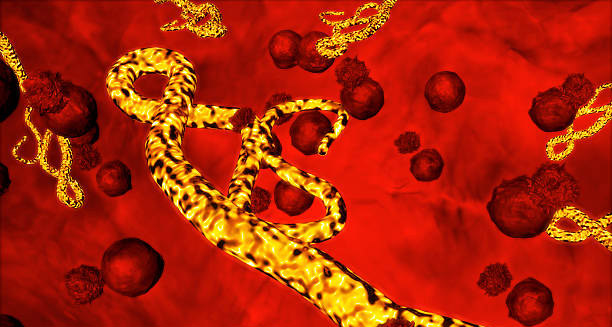

Causes of impetigo are rooted in bacterial infection of the skin, typically involving two types of bacteria: Staphylococcus aureus and Streptococcus pyogenes. These bacteria normally live harmlessly on our skin and in the nose. But when the skin gets damaged—by cuts, insect bites, eczema, or scrapes—the bacteria can enter and trigger an infection.
Once inside, the bacteria multiply quickly. They spread across the skin, creating the red sores and yellow crusts that are common signs of impetigo. Good hygiene and prompt wound care reduce this risk, especially in children.
Early treatment improves the outlook for impetigo, especially when the infection is caught before it spreads.
Why Children Get Impetigo More Often
Impetigo often affects young children. Kids are more likely to get scrapes while playing and often touch their faces or other people. They also spend time in close contact with others in schools or daycare. Since their immune systems are still developing, they’re more vulnerable to infections.
These daily habits and developing immunity help explain why impetigo outbreaks happen so often in group settings. In fact, quick treatment and good hygiene are the best tools to improve the outlook for impetigo in these environments.
Types of Bacteria and Skin Reactions
There are two types of impetigo: non-bullous and bullous. Non-bullous impetigo is more common and is usually caused by Streptococcus pyogenes or a mix of Strep and Staph bacteria. It causes red sores that burst and form the classic golden crust.
Bullous impetigo is less common. It is caused by a strain of Staphylococcus aureus that releases a toxin. This toxin breaks down skin structure, causing fluid-filled blisters. These blisters can spread quickly and are more common in infants or toddlers.
Knowing which type of bacteria is involved helps guide treatment and improves the outlook for impetigo in both mild and serious cases.
Environmental and Lifestyle Factors
The causes of impetigo often tie back to climate and living conditions. Warm, humid weather helps bacteria grow, so impetigo appears more often in tropical areas. Poor hygiene, crowded homes, and limited access to clean water can all raise the risk of infection.
People with skin conditions like eczema, scabies, or psoriasis are more likely to get impetigo. Their skin is already damaged, so bacteria can get in more easily. Managing these underlying issues can help stop impetigo from taking hold.
Direct skin contact plays a big role, too. Sharing towels, clothes, toys, or bedding can spread the bacteria. Even healthy people can catch impetigo if they come into contact with fluids from an infected sore.
Nasal Carriage and Repeated Infections
Another cause of impetigo is the presence of Staphylococcus aureus in the nose. Some people carry the bacteria in their nostrils without any signs of infection. They can spread it to their skin just by touching their face or blowing their nose.
This nasal colonisation often leads to repeat infections, especially in children. In stubborn cases, doctors may prescribe a special antibiotic ointment for the nose to prevent the bacteria from returning.
Treating nasal carriers is one way to improve the outlook for impetigo, especially in households where it keeps coming back.
Weakened Immunity and Malnutrition
People with weak immune systems are at higher risk. This includes people on certain medications, those with chronic illnesses like diabetes, or individuals undergoing chemotherapy. Their bodies can’t fight bacteria as well, so small skin injuries can turn into larger infections.
Malnutrition and vitamin shortages also weaken the skin and immune system. For example, low levels of vitamins A, C, or zinc can slow healing and increase infection risk. Supporting the immune system through good nutrition helps the body resist bacterial invasion.
Secondary Impetigo and Skin Damage
Impetigo can appear on healthy skin, but it also shows up as a secondary infection. This happens when bacteria infect areas already irritated by other skin conditions like eczema or dermatitis.
In these cases, impetigo tends to spread more widely and take longer to heal. Treating the original skin condition along with the infection gives the best results and improves the outlook for impetigo over time.
Final Thoughts on What Causes Impetigo
In summary, impetigo starts when Staphylococcus aureus or Streptococcus pyogenes enter broken skin. Factors like young age, humid climates, poor hygiene, and weakened immunity all raise the risk of infection. Some people carry the bacteria in their nose and pass it to their skin, leading to repeat episodes.
Understanding what causes impetigo is key to breaking the cycle of reinfection. Simple actions—like cleaning wounds, avoiding shared items, and treating nasal carriers—go a long way in preventing new outbreaks and protecting others.
With early care and good prevention, the outlook for impetigo remains positive in most cases.