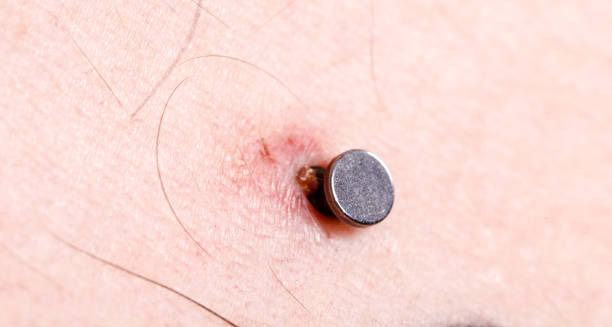

Causes of infected piercings stem from a variety of factors, ranging from poor hygiene and improper technique to environmental exposure and compromised immunity.
A piercing creates a small wound in the skin or cartilage. The body works to heal this wound, but during that time, it stays open to infection. Many causes of infected piercings come from bacteria getting into the wound—either during the piercing or afterwards. This usually happens because of poor aftercare, bad hygiene, or contamination.
Unclean Piercing Practices
One of the biggest causes of infected piercings is dirty or unsafe piercing procedures. When the studio or piercer doesn’t use sterile tools, bacteria can enter the wound right away. Using unclean needles, skipping gloves, or inserting non-sterile jewellery can all spread harmful germs. These may include dangerous bacteria like Staphylococcus aureus or Pseudomonas aeruginosa. Infections caused by these bacteria often spread fast and may need medical care.
Poor aftercare is another major reason piercings get infected. Once you leave the piercing studio, you must care for the wound properly. Not cleaning it with sterile saline, or touching it with dirty hands, lets bacteria in. Some people use harsh chemicals like alcohol or peroxide. These slow down healing and irritate the skin, which can trigger infection. Wearing tight clothes over new body piercings or sleeping on fresh ear piercings can also trap moisture and germs.
Jewellery, Trauma, and Movement
Physical injury to the piercing area can also cause infection. This happens when the jewellery gets caught on clothes, pulled by mistake, or twisted too often. These actions damage the skin and create tiny tears. Bacteria can then enter through these weak spots. Moving the jewellery too much also slows healing, making the area more open to infection.
The type of jewellery you wear also matters. Some metals, like nickel, can cause allergic reactions. These reactions bring swelling and irritation, which can lead to infection. Safer choices include surgical stainless steel, titanium, or niobium. These metals are less likely to cause a reaction. Cheap or badly made jewellery, especially in places like the nose or nipple, increases infection risks.
Environmental and Health Risks
Another common group of causes of infected piercings comes from the environment. Swimming soon after piercing, whether in pools, lakes, or hot tubs, exposes the wound to harmful bacteria. Germs like E. coli and Mycobacterium live in water and often cause hard-to-treat infections. Dusty or dirty surroundings also raise the risk, especially if the piercing stays unclean.
Some people also have health conditions that make them more likely to get infected. Diabetes can slow healing and weaken the immune system. People on chemotherapy or taking immune-suppressing medicine are also at greater risk. Even a small mistake in hygiene can turn serious in these cases.
Changing or touching the jewellery too soon also causes problems. Healing takes weeks—or even months—depending on where the piercing is. Many people assume healing is done once the pain goes away. But inside the tissue is still recovering. Switching earrings or studs early can rip that healing tissue, opening the door to infection.
Misinformation and Unsafe Advice
Poor advice from friends or the internet can also lead to trouble. Home remedies and online tips often suggest harmful things. Some people apply products like petroleum jelly or scented lotions. These clog the skin and trap bacteria instead of helping it heal.
Preventing the Causes of Infected Piercings
To sum up, the causes of infected piercings include many factors—bad piercing practices, poor care, injury, wrong jewellery, exposure to germs, and personal health issues. Learning what causes these infections helps you protect yourself. Whether your piercing is for fashion, culture, or personal meaning, good care and smart choices make all the difference.