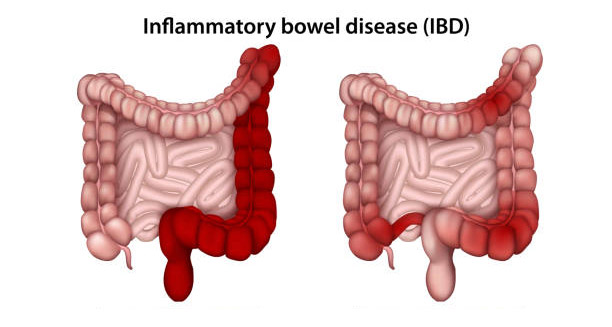

Causes of inflammatory bowel disease are complex and multifactorial, involving a combination of genetic, environmental, microbial, and immunological factors.
Researchers believe these factors work together to trigger the immune system incorrectly. This leads to ongoing gut inflammation. Understanding the causes of inflammatory bowel disease helps guide diagnosis, treatment, and future prevention strategies.
Genetic and Family Factors in Causes of Inflammatory Bowel Disease
Genes play a major role in causing this disease. Scientists have found over 200 gene areas linked to inflammatory bowel disease. Many of these genes control how the body handles bacteria, protects the gut wall, and manages immune responses.
One well-known gene, NOD2, often appears in people with Crohn’s disease. Problems in this gene make it harder for the body to deal with bacteria in the gut. This can cause the immune system to overreact. Still, not everyone with this gene develops the disease. That shows other factors must also play a role.
Having a close family member with the condition raises the chance of getting it. This risk is especially high in identical twins, mainly with Crohn’s disease. Yet, most people with IBD do not have a known family history, which means other causes are at work too.
Environmental and Lifestyle Triggers
The causes of inflammatory bowel disease also include things around us. These include where people live, what they eat, and how clean their environments are. People living in cities or industrialised countries have higher rates of IBD. This could be because of less contact with helpful germs or eating too many processed foods. Experts call this the “hygiene hypothesis.”
Diet affects gut health too. High-fat, low-fibre diets can upset the gut’s natural balance. Foods with emulsifiers or additives may also harm the gut wall and cause inflammation. On the other hand, eating fruits, vegetables, and whole grains might help protect against IBD. While diet alone may not cause the disease, it works together with other risks.
Microbes and the Immune System
Gut bacteria play a big role in how the immune system works. People with IBD often have fewer helpful bacteria and more harmful ones. This imbalance, known as dysbiosis, may trigger immune attacks in the gut. It’s still unclear if dysbiosis causes inflammation or happens because of it, but the two are closely linked.
The immune system itself is a key player in the causes of inflammatory bowel disease. In healthy people, the immune system knows how to respond to threats and ignore harmless things like food or friendly bacteria. But in IBD, this balance breaks down. The immune system treats normal things as enemies and keeps attacking, which causes ongoing damage and symptoms.
Other Risk Factors to Consider
Smoking affects the disease in different ways. It makes Crohn’s disease worse and raises the chance of flare-ups and surgery. Oddly, smoking seems to protect against ulcerative colitis, although no one knows why. Still, doctors advise all patients to quit smoking because of its many health risks.
Taking antibiotics often—especially in childhood—may also raise the risk. These drugs can change the gut microbiome and may disturb the immune system. Other early life events, like being born by C-section or not being breastfed, could also affect gut health later on.
Stress doesn’t directly cause IBD, but it can make it worse. Ongoing stress weakens the immune system and affects how the gut works. People with IBD often report flare-ups during stressful times. So, managing stress is an important part of treatment, though it cannot replace medical care.
Geographic Trends and Infection Links
Where a person lives can offer more clues. IBD cases are rising in places like Asia and the Middle East, where they used to be rare. These changes often come with shifts toward Western habits, such as fast food diets and cleaner living spaces. That supports the idea that lifestyle and environment help trigger the disease.
Some infections may also play a role in the causes of inflammatory bowel disease. In people who carry the genes, certain germs might trigger the disease. For example, some strains of E. coli and other gut bugs seem to activate the immune system in harmful ways. But so far, no one germ has been proven to cause it.
Summary of Causes of Inflammatory Bowel Disease
The causes of inflammatory bowel disease come from many areas—genes, germs, diet, and lifestyle. There is no single cause, and each person’s case may be different. Most likely, a mix of these things works together to trigger the disease. Scientists continue to study these links to find better ways to prevent and treat the condition in the future.