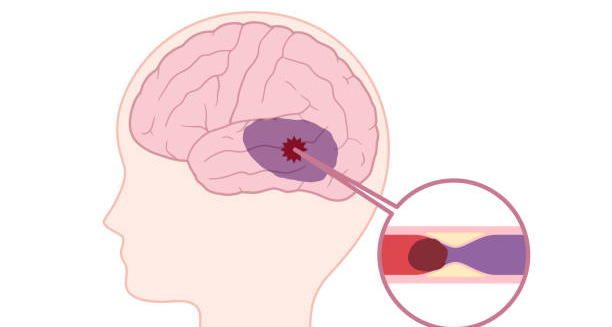

Intracranial hypertension occurs when the pressure inside the skull increases beyond normal levels.
This heightened pressure builds up because of changes in the balance of brain tissue, fluid, or blood. Since the skull is a closed space, even small changes can cause problems. Understanding the causes of intracranial hypertension is very important. The reason for the pressure matters, especially when deciding how to treat it. In many cases, the condition is either idiopathic (with no clear cause) or secondary (caused by a known issue).
How Intracranial Pressure Rises
Pressure often rises when the body makes too much cerebrospinal fluid (CSF), when CSF can’t drain properly, or when brain tissue or blood volume increases. Experts sort these causes into two groups: idiopathic intracranial hypertension (IIH) and secondary intracranial hypertension.
Causes of Intracranial Hypertension: Idiopathic
“Idiopathic” means that doctors can’t find a specific disease causing the problem. Even though the exact reason is unknown, certain risk factors appear often.
One major link is obesity, especially in women of childbearing age. People who are overweight and recently gained more weight have a much higher chance of developing IIH. While the exact reason is unclear, changes in hormone levels, pressure in the belly and chest, and blocked brain vein drainage all seem to play a role.
Hormonal changes may also increase the risk. This is especially true for changes involving oestrogen. The high number of IIH cases in women before menopause supports this idea. Conditions like polycystic ovary syndrome (PCOS), which affects hormone balance and body weight, are often seen in people with IIH.
Some experts believe that genetics might be involved too. A family history could affect how the body handles CSF or brain vein drainage. This might make some people more likely to get the condition.
Several medicines might also trigger or worsen IIH. These include:
- Tetracycline antibiotics (like doxycycline and minocycline)
- Vitamin A-related drugs (like isotretinoin for acne)
- Growth hormone
- Suddenly stopping corticosteroids
While these usually cause secondary intracranial hypertension, they sometimes play a role in idiopathic cases.
Causes of Intracranial Hypertension: Secondary
Secondary intracranial hypertension happens when doctors find a clear reason. These causes vary a lot and include problems like brain swelling, blocked veins, infections, and toxins. These issues can raise CSF levels or cause swelling, which increases pressure in the skull.
One serious cause is a brain tumour. Tumours take up space and push on brain structures. This reduces room for fluid and blood, which quickly raises pressure. Headaches, vomiting, and vision problems often follow.
Another critical cause is cerebral venous sinus thrombosis (CVST). In CVST, a blood clot forms in the brain’s veins, stopping blood from draining. This builds up pressure. CVST happens in people with clotting disorders, during pregnancy, or after head injuries or infections.
Hydrocephalus is another problem. It causes too much fluid to build up in the brain. Reasons include birth defects, infections like meningitis, or blockages from cysts or tumours.
Infections such as meningitis and encephalitis cause swelling in the brain and nearby tissues. This blocks CSF flow and stops fluid from being absorbed, which raises pressure even more.
Head trauma is also a big cause. Injuries can cause bleeding, swelling, or blocked fluid flow. In these cases, pressure rises quickly and can become life-threatening.
Other Medical Causes of Intracranial Hypertension
Some health problems like liver or kidney failure and very high blood pressure also affect brain pressure. These problems change how fluid moves in the body, which can reach the brain.
Certain substances can also raise pressure if misused. These include:
- Anabolic steroids
- Lithium
- Too much vitamin A
- Heavy metals like lead
In children, birth defects such as Arnold-Chiari malformation, Dandy-Walker syndrome, and craniosynostosis often cause pressure buildup. These problems affect how the brain and skull grow or how fluid moves.
Autoimmune diseases like lupus or sarcoidosis can also raise brain pressure. These conditions cause swelling in brain tissues or blood vessels, which adds to the problem.
Even outside forces can play a role. Things like high altitude or very hard physical activity sometimes raise pressure for a short time. These symptoms usually go away on their own but still feel very real to the person affected.
Summary of the Causes of Intracranial Hypertension
In short, the causes of intracranial hypertension depend on whether the problem is idiopathic or secondary. Idiopathic cases link mostly to obesity, hormone changes, and possibly genetics. Secondary cases result from more obvious issues like tumours, infections, vein clots, head injuries, or medications.
Getting the right diagnosis is key. Once doctors know what’s causing the pressure, they can choose the best treatment. By fixing the root problem—whether it’s a health condition or lifestyle issue—pressure inside the skull can go down, and people can feel much better.