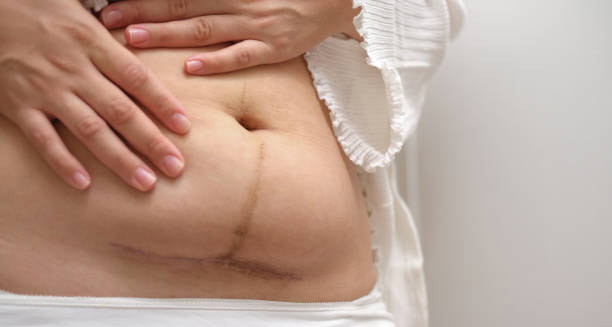

Keloid scars are caused by an abnormal wound-healing process that results in the excessive growth of fibrous tissue.
Unlike normal scars, these continue growing beyond the original wound and may last for months or even years. This ongoing growth happens because the body doesn’t regulate the healing process correctly. Many factors work together here, including genetics, environment, immune function, and body chemistry.
While most people recover from cuts or surgery without a problem, others develop keloids due to a stronger and longer-lasting inflammatory response. This reaction leads to thick, raised, often itchy scar tissue. Let’s explore what causes this difference.
1. Genetic Predisposition
One of the main causes of keloid scars is genetics. If you have family members with keloids, your risk is much higher. Certain genes involved in healing and collagen control may work differently in your body. These changes lead to overactive fibroblasts, which build too much scar tissue.
Keloids are also more common in certain ethnic groups. People of African, Asian, Hispanic, and Middle Eastern descent are more likely to get them. For example, 15–20% of people of African descent may develop keloids, compared to just 1–2% of people with European ancestry. This difference clearly shows that genes play a strong role.
2. Skin Injury or Trauma
Any injury to the skin can trigger keloid formation, especially if you’re genetically prone. Even small wounds may lead to keloids. These include:
- Cuts
- Surgical wounds
- Burns
- Acne scars
- Insect bites
- Chickenpox marks
- Piercings (ear, nose)
- Tattoos
- Vaccination sites
- Razor nicks
Surprisingly, even tiny scratches can result in a keloid. Sometimes, they even appear without a clear cause, especially in areas with regular tension or rubbing.
3. Inflammation and Delayed Healing
The body heals wounds in four steps: bleeding stops, inflammation begins, tissue grows, and the wound remodels. In keloid-prone people, the inflammation and growth stages take longer. This delay keeps fibroblasts active and leads to too much collagen, especially type III collagen, which is common in early scarring.
Also, enzymes that break down extra collagen (called MMPs) don’t work well in people who get keloids. As a result, the scar becomes thick and expands beyond the wound’s edge.
4. Hormonal Influences
Hormones might also contribute to the causes of keloid scars, especially during times of hormonal change. These include puberty and pregnancy, when hormone levels rise and may affect scar tissue growth.
Some small studies and personal accounts suggest that keloids can grow or worsen during pregnancy. This could be linked to changes in oestrogen and progesterone, although more research is needed.
5. Wound Location and Skin Tension
Where the injury happens on the body makes a big difference. Keloids tend to form in areas with high skin tension. These include the shoulders, upper chest, back, and jawline. The skin in these places moves often and stretches, which can disrupt healing and trigger more scar growth.
The earlobes are also a frequent site, especially after piercings. While this area doesn’t move much, piercing creates a wound that can spark a strong reaction, especially in people at higher risk.
6. Infection or Repeat Injury
Wounds that get infected while healing are more likely to form keloids. Infections increase inflammation and delay healing, giving scar-producing cells more time to act. This results in thick, hard scar tissue.
Other forms of repeat trauma—such as scratching or rubbing the wound—also make things worse. Poor wound care during the healing phase is another common factor that leads to keloid scar formation.
7. Immune System Problems
Recent studies show that the immune system plays a key role in how keloids develop. The immune response controls all stages of healing. If it doesn’t work as it should, it can cause long-term inflammation and overstimulate fibroblasts.
People with autoimmune issues or weak immune systems may be more likely to form keloids. High levels of certain immune markers, such as TGF-β and IL-6, have also been found in keloid tissues, further linking the immune system to this condition.
8. Environmental Triggers
Sun exposure may also worsen keloids. UV rays cause inflammation and boost pigment cells, which darken scars. They may also trigger scar growth. Protecting healing wounds from the sun—with clothing or sunscreen—can lower this risk.
Other outside factors, like air pollution, harsh skincare products, or allergens, may interfere with healing. These irritants can increase inflammation and promote scarring in people who are already prone to it.
Final Thoughts
The causes of keloid scars are complex and involve many overlapping factors—genetics, injury, inflammation, hormones, and environment. Although many people experience skin trauma, only some go on to form keloids because of how their bodies respond to healing.
Knowing these risk factors can help with prevention. Avoiding non-essential piercings, caring for wounds properly, and watching for early signs of abnormal scarring are good first steps. Seeking medical advice early can also help.
As researchers learn more about the immune and molecular causes of keloids, better treatments may become available. These advances offer hope for managing and possibly preventing this difficult condition.