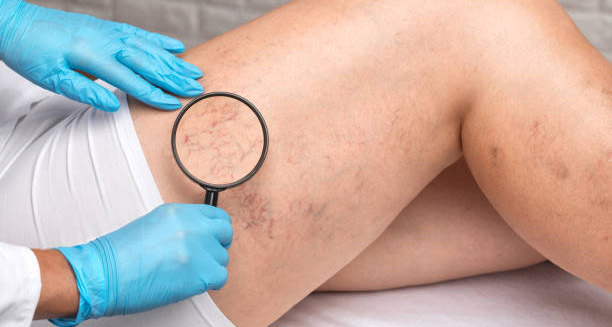

Causes of leg ulcer are numerous and often interconnected, involving vascular, metabolic, neurological, and external factors that impair normal skin healing.
Understanding the causes of leg ulcer is crucial not only for accurate diagnosis but also for selecting effective treatments and preventing recurrence. Since the legs are farthest from the heart, any problem with blood flow, lymph drainage, or tissue repair makes this area more likely to develop ulcers.
Venous and Arterial Circulation Problems
The most common cause of leg ulcers is chronic venous insufficiency (CVI), responsible for about 70% of cases. In people with CVI, the leg vein valves stop working properly. This failure allows blood to flow backward and pool in the legs.
As blood builds up, pressure increases in the veins, damaging the skin and tissues underneath. Over time, poor circulation causes swelling and ongoing inflammation. Eventually, the skin breaks down, leading to venous leg ulcers, usually near the inner ankle.
Peripheral arterial disease (PAD) is another major contributor to the causes of leg ulcer. PAD happens when fatty buildup narrows the arteries and reduces blood flow. Unlike venous ulcers, arterial leg ulcers are often painful and found on the feet, heels, or toes.
Because the blood supply is low, the skin does not get enough oxygen or nutrients to heal—especially after injuries or pressure. These ulcers are harder to treat and often affect older adults and smokers.
Diabetes and Nerve Damage
Diabetes plays a key role in many leg ulcers. Several changes in the body raise the risk for diabetics.
High blood sugar can damage blood vessels, leading to both arterial and venous problems. In addition, diabetes can cause peripheral neuropathy, which reduces feeling in the legs and feet. This makes it harder to notice small injuries or infections.
Without treatment, these can quickly turn into ulcers. Also, diabetes weakens the immune system. This slows healing and raises the risk of infection. The causes of leg ulcer in diabetic patients often involve a mix of these problems.
Pressure, Trauma, and Infection
Pressure ulcers form when there’s constant pressure on one part of the leg. This is common in people who are immobile or bedridden. These ulcers usually appear over bony areas like the heels.
Continuous pressure cuts off blood flow in tiny vessels, causing tissue to die and form ulcers. Friction and shear—especially in older adults or those with low mobility—make this worse.
Trauma also contributes to the causes of leg ulcer. This includes burns, insect bites, or injuries like cuts and bruises. While most wounds heal fast in healthy people, those with poor circulation or weak immune systems may develop chronic ulcers.
Even a small scratch or tight shoes can start an ulcer when underlying problems like diabetes or varicose veins are present. In such cases, the injury begins the problem, and slow healing turns it into a lasting ulcer.
Infections may also directly cause leg ulcers. While often a result of an ulcer, infections like cellulitis can also be the cause. Bacteria, fungi, or parasites may damage skin and tissue, especially in people with weak immunity.
Some skin conditions like eczema or psoriasis can cause itching and scratching. This leads to broken skin and secondary infections, increasing the risk of ulcers.
Other Medical Conditions Behind Ulcers
Some less common but important causes of leg ulcer include autoimmune diseases like lupus or vasculitis. These conditions cause the immune system to attack the skin and blood vessels.
Blood disorders, such as sickle cell disease or antiphospholipid syndrome, can reduce small blood flow and cause ulcers. Certain cancers, especially squamous cell carcinoma, may also show up as non-healing leg ulcers.
In rare cases, a disease called pyoderma gangrenosum may lead to large, painful ulcers. This condition causes skin inflammation and serious sores.
Lifestyle Choices That Affect Leg Ulcers
Lifestyle and behaviour also affect the causes of leg ulcer. Smoking hurts blood vessels and cuts down oxygen supply. This delays healing. Obesity adds pressure and causes swelling, which raises the chance of ulcers.
Standing or sitting for long periods can cause blood to pool in the legs. This is especially risky for people with weak veins.
Not drinking enough water, eating poorly, and skipping basic skincare can make things worse, especially for older adults. These lifestyle issues often combine with other medical problems to create a perfect storm for leg ulcers.
Mixed Causes and Lymphedema
Often, more than one factor causes leg ulcers. For instance, an older person with diabetes, varicose veins, and obesity may develop a leg ulcer from poor blood flow, nerve damage, and a small injury.
This mix of causes makes diagnosis and treatment more difficult. Doctors often need to check medical history, run vascular tests, do blood work, and sometimes take skin samples to understand the root of the problem.
Lymphedema is another often overlooked part of the causes of leg ulcer. When the lymph system doesn’t drain fluid properly, swelling builds up. This stretches the skin, weakens it, and makes infections and ulcers more likely.
Lymphedema may result from infections, surgery, radiation, or trauma, adding another layer of risk for vulnerable patients.
Prevention and Final Thoughts on Causes of Leg Ulcer
Preventing leg ulcers begins with dealing with the underlying causes of leg ulcer. Regular screening for vascular disease, managing diabetes, staying active, and wearing proper footwear all help.
For people with past ulcers, frequent check-ups, compression stockings, and skin care routines are vital.
To sum up, the causes of leg ulcer are wide-ranging and complicated. They include circulation issues, chronic diseases, injuries, pressure, infections, immune system problems, and lifestyle habits.
Understanding these causes helps both doctors and patients find better treatments. Treating just the symptoms won’t work. A complete approach that fixes the root problems offers the best chance for healing and preventing future ulcers.