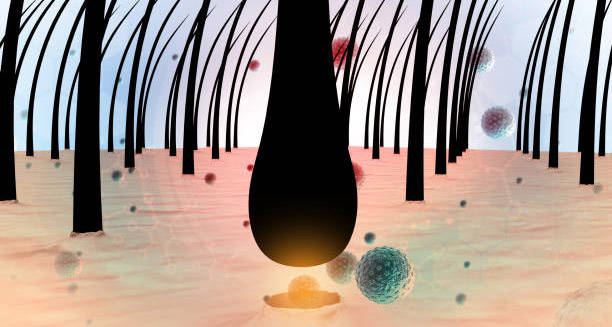

Causes of leprosy are rooted in a bacterial infection that primarily affects the skin, peripheral nerves, mucosa of the upper respiratory tract, and the eyes. The causes of leprosy have long been misunderstood, partly due to historical stigma and a lack of access to proper medical research in earlier centuries. However, modern science has clearly identified the microbial origins and transmission pathways responsible for the disease, shedding light on how and why it spreads in certain populations. Understanding the causes of leprosy is essential for both effective prevention and global eradication efforts, especially in developing countries where the disease still remains a public health issue.
The main cause of leprosy is an infection with a slow-growing bacterium called Mycobacterium leprae. In rare cases, another similar bacterium, Mycobacterium lepromatosis, can also cause the disease. These bacteria thrive in cooler parts of the body, such as the skin and nerves. They grow slowly, and symptoms may take months or even up to 20 years to show. Because of this delay, it becomes harder to trace the exact source of infection or stop its spread early.
Bacterial Spread and the Causes of Leprosy
The most direct of all causes of leprosy is exposure to Mycobacterium leprae. It spreads through droplets from the nose and mouth when untreated patients cough or sneeze. People nearby may breathe in these droplets or get them on their mucous membranes. Still, leprosy does not spread easily. Around 95% of people are naturally immune. Even when exposed, they do not get sick. While this means outbreaks are rare, it also makes it harder to track how and when someone became infected.
Role of Genetics in the Causes of Leprosy
A person’s genes also play a big role in the causes of leprosy. Studies show that some genes affect how likely someone is to get the disease. Certain immune-related genes—like TLR1, TLR2, and PARK2—can make someone more prone to infection. In many families living in areas where leprosy is common, several members may get the disease. This can happen due to shared genes, not just shared spaces. So, both inherited traits and close contact can increase the risk.
Environmental Conditions That Increase Risk
Poor hygiene, crowded homes, and weak health systems all raise the risk of infection. These conditions make it harder to avoid contact with untreated people and delay getting care. Slums, refugee camps, and rural places with few clinics often see more cases. Malnutrition and illnesses like HIV or diabetes also make it easier for bacteria to grow. All these factors add up and make leprosy more likely to spread in these areas.
Animal Sources and the Causes of Leprosy
Most cases of leprosy come from other people, but animals can also pass on the disease. In parts of the southern U.S. and Latin America, nine-banded armadillos carry Mycobacterium leprae. People can get infected if they handle raw meat or come into contact with these animals. Hunters or those who prepare armadillo meat are more at risk. Public health experts now warn people in these regions to avoid direct contact to reduce the chances of getting infected.
Incomplete Treatment and How It Spreads
Some causes of leprosy come from poor treatment practices. If patients don’t finish their full course of medicine, they may stay infectious. They might also get sick again, and bacteria can become resistant to drugs. This makes treatment harder for everyone. That’s why health programs must not only find cases but also help people stick to their full treatment plan. Doing so can stop future infections in the community.
How Culture and Stigma Delay Care
In many places, myths and stigma are major causes of leprosy’s spread. Some believe it’s a curse, which leads to shame and hiding symptoms. Because of this, people wait too long to see a doctor. During this time, they may unknowingly infect others. These beliefs don’t come from science, but they still affect how the disease spreads. Educating people and breaking myths are just as important as giving medicine.
The Immune System’s Role in the Causes of Leprosy
Not everyone who gets exposed develops the disease. The body’s immune system plays a huge role. People with strong immune responses may never get sick or only get a mild form called tuberculoid leprosy. Those with weaker immunity often get more severe, widespread disease. This shows that immune strength directly affects the chances of getting sick and the type of symptoms one may have.
Causes of Leprosy in Modern Research
Even though we understand many causes of leprosy, research continues. New studies are looking at things like co-infections, other bacteria in the environment, and even changes in gene activity. Climate change and deforestation may also play a role. They push animals and people into closer contact, which can spread the disease in new ways. As the world changes, so might the causes of leprosy. We need to stay alert and adjust our health plans as new information comes in.