
Causes of Leptospirosis are primarily linked to exposure to water, soil, or food contaminated with the urine of infected animals.
Leptospirosis is caused by bacteria called Leptospira. These bacteria thrive in warm, wet places. They can live outside a host for weeks or months in still water and damp soil, especially in tropical or subtropical areas. The causes of leptospirosis vary depending on geography, job, hobbies, and even living conditions.
Animal Contact and Environmental Causes of Causes of Leptospirosis
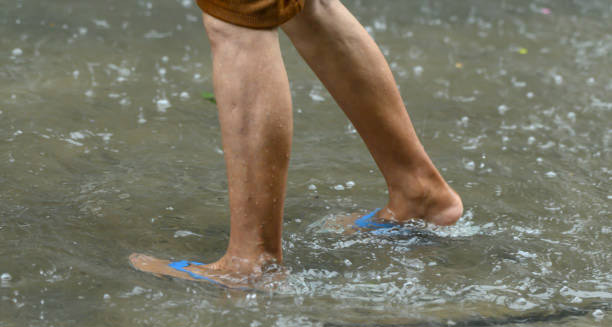
One main cause of leptospirosis is direct or indirect contact with urine from infected animals, mainly rodents like rats. Other animals such as cattle, pigs, horses, and dogs can also carry the bacteria. Humans get infected when the bacteria enter through cuts or broken skin, or through the eyes, nose, or mouth. Activities like wading in floodwaters, swimming in dirty rivers or lakes, or working in sewers or slaughterhouses increase the risk.
Jobs also play a big role in the causes of leptospirosis. People working outdoors or with animals—farmers, vets, sewage workers, slaughterhouse staff, and soldiers—face higher risks. Daily contact with dirty water, mud, or animal fluids makes them more vulnerable. In cities, people living in crowded areas with poor sanitation are at risk due to rat infestations.
Outdoor activities have become a growing cause of leptospirosis, especially in developed countries. People who kayak, raft, or run on muddy trails can meet contaminated water or soil. Even gardening in places where infected animals live can cause infection if someone has open wounds or touches their face after contact.
Weather and Human Factors in Causes of Leptospirosis
Weather affects the causes of leptospirosis greatly. Heavy rain and flooding spread the bacteria through water and bring it closer to people. This is a big problem in tropical climates where floods happen often. Natural disasters like hurricanes or cyclones worsen outbreaks, especially when sanitation fails and clean water is hard to find.
Animal-to-human transfer, called zoonotic transmission, is the main cause of leptospirosis. Infected animals often show no signs, making it hard to prevent exposure. Pet dogs can carry the bacteria without getting sick, which can put owners at risk. Livestock without proper veterinary care may also spread infection to workers or consumers.
Water sports and tourism in areas where leptospirosis is common are now known causes, especially when tourists don’t know the risks or lack protective gear. Countries in Southeast Asia, the Caribbean, Central America, and parts of Africa often report outbreaks linked to water. Travelers sometimes return home without knowing they caught the infection.
Urban and Rare Causes of Causes of Leptospirosis
Climate change may increase the causes of leptospirosis by causing more floods, changing rain patterns, and growing rodent habitats. These changes raise chances of human contact with Leptospira-contaminated environments, especially where infrastructure is poor.
Poor waste disposal and blocked drainage make the causes worse, especially in low-income cities. Garbage piles up and attracts rats, increasing urine contamination of water. This cycle of bad sanitation, more rodents, and human exposure helps the disease spread.
Though very rare, leptospirosis can sometimes pass directly from one person to another. Cases include sexual contact, breastfeeding, and organ transplants. However, human-to-human spread is the exception.
Travelers should also watch for causes of leptospirosis when visiting infected areas. They should avoid swimming in freshwater, walking barefoot in flood zones, and drinking untreated water. Wearing protective clothes and good hygiene lower infection risk during travel or outdoor fun.
Prevention and Control of Causes of Leptospirosis
Preventing causes of leptospirosis includes rodent control programs, public education, and better city planning for safe water and waste systems. Vaccinating animals at risk, like livestock and dogs, helps stop transmission to people.
Understanding causes of leptospirosis is key to stopping outbreaks and lowering risk. This needs many approaches: personal hygiene, healthy environments, vet care, and public teaching. By spotting and managing sources of exposure—whether from jobs, environment, or hobbies—communities can act early to reduce this serious bacterial disease.