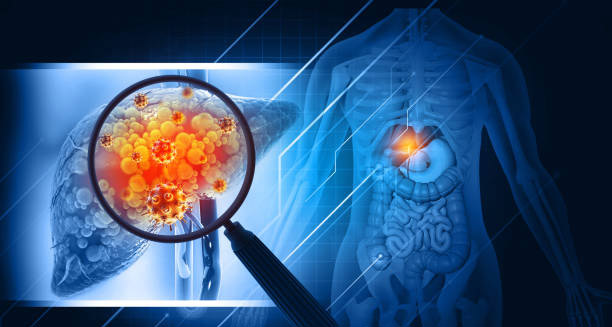

Causes of liver cancer are often complex and multifactorial, involving a combination of environmental, viral, genetic, and lifestyle factors.
Understanding these causes helps with both prevention and early diagnosis. It also helps identify high-risk individuals and shape screening plans. Most causes of liver cancer link back to long-term liver damage, inflammation, and scarring, all of which can trigger liver cells to turn cancerous over time.
Viral Infections and Alcohol Use
Chronic infection with hepatitis B virus (HBV) and hepatitis C virus (HCV) is one of the most well-known causes. These infections cause ongoing inflammation in the liver. Over time, this increases the risk of DNA changes in liver cells. These changes can eventually lead to cirrhosis and the development of hepatocellular carcinoma (HCC), the most common type of liver cancer.
Hepatitis B is especially dangerous because it can lead to cancer even without cirrhosis. This happens because the virus can insert itself directly into liver cell DNA.
Alcohol-related liver disease is another major cause. Drinking heavily over many years damages the liver. It can lead to alcoholic hepatitis and then cirrhosis, which replaces healthy liver cells with scar tissue. This scarred tissue weakens liver function and makes cancer more likely. Alcohol also damages cells directly by creating toxins and oxidative stress that harm DNA.
Metabolic Liver Disease and Toxins
In recent years, non-alcoholic fatty liver disease (NAFLD) and non-alcoholic steatohepatitis (NASH) have become leading causes — especially in Western countries. These conditions are linked to obesity, type 2 diabetes, and metabolic syndrome. Like alcohol-related liver disease, NASH can lead to cirrhosis and eventually liver cancer.
Worryingly, people with NAFLD sometimes develop liver cancer even if they don’t have cirrhosis. This suggests that other harmful processes are involved, beyond scarring.
Another well-known cause is exposure to aflatoxins. These are poisonous substances made by moulds like Aspergillus flavus. They often contaminate food stored in warm, damp places — especially grains and nuts in parts of Africa and Asia. Over time, aflatoxins damage DNA in liver cells and greatly raise the risk of cancer. If hepatitis B is also present, the risk becomes even higher.
Inherited Disorders, Hormones, and Chronic Inflammation
Some rare genetic conditions also play a role in liver cancer. These include:
- Hemochromatosis (too much iron in the liver)
- Wilson’s disease (copper build-up)
- Alpha-1 antitrypsin deficiency
- Glycogen storage diseases
All of these can lead to cirrhosis, which increases cancer risk. Even though these conditions are less common, they show how inherited diseases can damage the liver over time and lead to cancer.
Certain hormonal drugs also appear to raise liver cancer risk. Long-term use of anabolic steroids, often for bodybuilding, has been linked to liver tumours, including HCC. Some oral contraceptives have also been linked to benign liver tumours. However, the cancer risk from contraceptives is low and mostly limited to very rare cases.
Another major factor is long-term liver inflammation and cirrhosis, no matter the cause. When liver cells are constantly damaged, killed, and replaced, the chance of DNA mistakes during cell repair goes up. Scarred liver tissue also lacks the natural defenses that stop cancer from forming.
Environmental and Emerging Risk Factors
Some environmental toxins also contribute to liver cancer. Long-term exposure to industrial chemicals, such as vinyl chloride and thorium dioxide, has been linked to liver tumours. In some places, contaminated drinking water may also raise the risk.
Smoking slightly increases liver cancer risk too, especially when combined with drinking alcohol or having hepatitis.
New research has also begun to look at the role of the gut-liver connection. Harmful bacteria and toxins from the gut may move into the liver and cause inflammation. This process, still under study, may be another way liver cancer develops.
Final Thoughts on Causes of Liver Cancer
In summary, the causes of liver cancer include chronic viral infections, alcohol abuse, obesity-related liver disease, exposure to toxins, inherited disorders, and certain hormone-related drugs. These causes often overlap, making liver cancer a complex disease to prevent and treat.
Reducing risk involves several key steps. These include vaccinating against hepatitis, avoiding excessive alcohol, treating metabolic conditions, and ensuring safe food storage. A clear understanding of these risk factors can help shape better public health strategies and clinical care.