
Lymphoma develops from a complex mix of genetic, environmental, and immune system factors. While the exact cause is unknown in many cases, research has identified key contributors to this cancer. Causes of lymphoma differ by subtype—Hodgkin lymphoma (HL) and non-Hodgkin lymphoma (NHL)—but share common underlying processes.
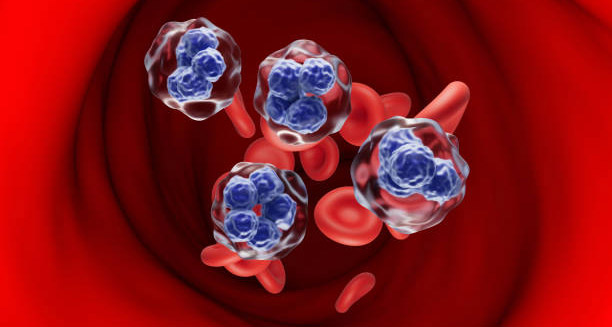
At the heart of lymphoma’s causes is abnormal lymphocyte behavior. Lymphocytes are white blood cells vital for immune defence. Normally, they grow, function, and die in a controlled way. In lymphoma, this regulation fails. Lymphocytes multiply uncontrollably and avoid programmed death, building up in lymph nodes and tissues to form tumours. This faulty process increases the risk of complications of lymphoma, including spread and organ dysfunction.
Genetic Mutations and Chromosomal Changes
One major cause is genetic mutation. DNA changes can disrupt lymphocyte growth and division. Mutations may be inherited or acquired from carcinogen exposure or infections. Some lymphomas show characteristic chromosomal abnormalities. For instance:
- Follicular lymphoma often has the t(14;18) translocation, which overexpresses the BCL2 gene, preventing cell death.
- Mantle cell lymphoma frequently shows the t(11;14) translocation, causing excess cyclin D1 and increased cell division.
These mutations promote lymphoma development and influence disease behavior and prognosis.
Immune System Dysfunction
Immune problems are another important cause. People with weakened immunity—due to HIV/AIDS, organ transplants with immunosuppressants, or inherited immune disorders like Wiskott-Aldrich syndrome—are more likely to develop lymphoma. A weak immune system cannot effectively control abnormal lymphocyte growth, increasing lymphoma risk and the potential for complications of lymphoma.
Autoimmune Diseases and Chronic Inflammation
Autoimmune conditions such as rheumatoid arthritis, Sjögren’s syndrome, systemic lupus erythematosus (SLE), and coeliac disease cause chronic immune activation. This persistent inflammation may increase mutation chances in lymphocytes, raising lymphoma risk over time.
Infectious Causes: Viruses and Bacteria
Certain infections are linked to lymphoma development:
- Epstein-Barr virus (EBV) is strongly associated with Burkitt lymphoma and some Hodgkin lymphoma subtypes. EBV infects B cells, sometimes causing them to become cancerous.
- Human T-lymphotropic virus type 1 (HTLV-1) relates to adult T-cell leukemia/lymphoma.
- Hepatitis C virus (HCV) has been linked to marginal zone lymphoma and diffuse large B-cell lymphoma.
- Chronic Helicobacter pylori infection can cause gastric mucosa-associated lymphoid tissue (MALT) lymphoma.
Treating these infections early may reduce lymphoma risk and limit complications of lymphoma.
Environmental Exposures
Exposure to chemicals such as pesticides, herbicides, benzene, and industrial solvents is linked to higher lymphoma risk, especially in agricultural or industrial workers. The level and length of exposure influence the impact.
Prior Cancer Treatments and Radiation
Radiation therapy and chemotherapy for other cancers can increase lymphoma risk by damaging DNA and bone marrow. Survivors of nuclear accidents or atomic bombs also face increased lymphoma risk years later. Routine medical imaging, however, is not a significant cause.
Age, Gender, and Family History
Non-Hodgkin lymphoma is more common in older adults, while Hodgkin lymphoma often occurs in younger people (20s–30s) and again after age 55. Some lymphomas are slightly more common in men. Having a close relative with lymphoma also slightly raises risk, suggesting genetic susceptibility combined with environmental triggers.
Lifestyle Factors
Emerging evidence points to obesity, poor diet, smoking, and low physical activity as possible contributors by promoting chronic inflammation and immune dysregulation. Though less direct, these may increase lymphoma risk and worsen potential complications of lymphoma.
Why Understanding the Causes Matters for Complications of Lymphoma
In many patients, no single cause is identified. Instead, lymphoma arises from multiple factors acting together over time. A genetic mutation may remain hidden until triggered by infection or chemical exposure. This complexity means preventing lymphoma completely is difficult. However, awareness of risk factors and early detection can reduce the severity and complications of lymphoma.
By managing infections, avoiding harmful exposures, and supporting immune health, individuals may lower their risk. Ongoing research into lymphoma causes promises better prevention, diagnosis, and targeted therapies—helping to limit complications of lymphoma and improve patient outcomes.