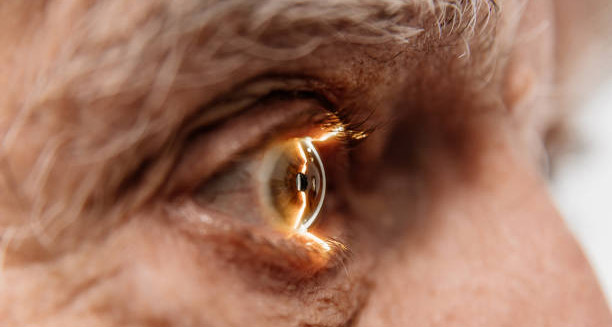

The causes of macular hole mainly stem from age-related changes in the eye. But other medical and mechanical factors can also lead to this condition. A macular hole is a full-thickness break in the macula — the central part of the retina responsible for clear, detailed vision. Knowing what causes this damage helps with early detection and prevention.
Most macular holes happen spontaneously. They result from natural changes in the eye’s internal gel, called the vitreous. But trauma, severe nearsightedness, retinal diseases, and some eye surgeries can also cause holes. Whether the hole develops slowly or suddenly, understanding its cause helps eye doctors choose the best treatment and predict outcomes.
Age-Related Vitreous Changes
The most common cause of macular hole relates to ageing, especially changes in the vitreous humour. This jelly-like substance fills the inside of the eye.
As we get older, the vitreous slowly liquefies and shrinks. Eventually, it can pull away from the retina in a process called posterior vitreous detachment (PVD). PVD usually is harmless, but sometimes the vitreous stays stuck to the macula. This pulling can tear the macula, creating a hole.
This type of hole is called an idiopathic macular hole, meaning it forms without a clear cause. It accounts for most cases, especially in people over 60.
Eye Trauma
Blunt trauma to the eye also causes macular holes. A sudden hit sends shockwaves through the eye’s structures, damaging the retina. This can cause a hole right away or over time.
Traumatic macular holes are more common in younger people who get injuries from sports, accidents, or fights. These holes often come with other eye damage, like bruises or bleeding.
High Myopia (Severe Nearsightedness)
People with high myopia face a higher risk of macular holes. In very nearsighted eyes, the eyeball stretches and thins the retina. This stretching weakens the macula, making it prone to breaks.
High myopia can also cause conditions like macular schisis (splitting of retinal layers). If untreated, this can lead to full-thickness holes.
Retinal Diseases
Some retinal diseases also cause macular holes by damaging the macula’s structure:
- Macular pucker (epiretinal membrane): Scar tissue forms on the retina’s surface and pulls on the macula.
- Diabetic retinopathy: Long-term damage to retinal blood vessels weakens the retina.
- Cystoid macular oedema (CMO): Fluid builds up in the macula, breaking down tissue and causing holes.
In these cases, holes develop slowly due to ongoing stress on the retina.
Eye Surgery
Certain eye surgeries, especially cataract removal, may increase the chance of macular holes later. Cataract surgery itself doesn’t cause holes directly. But changes in the vitreous or retina after surgery can pull on the macula.
Inflammation after surgery can also lead to hole formation. People who already have early macular changes or vitreomacular adhesion before surgery face a higher risk.
Inflammatory Eye Conditions
Chronic inflammation inside the eye, like uveitis, can damage the macula. Persistent inflammation may cause swelling, scar tissue, or traction — all potential causes of macular holes.
Systemic inflammatory diseases such as sarcoidosis or Behçet’s disease can also affect the retina and increase risk.
Genetic and Congenital Factors
Though rare, some macular holes relate to inherited or congenital eye problems. Juvenile retinoschisis is one example. These cases often occur in younger patients with retinal instability.
Some families may have a genetic predisposition to macular diseases, though no single gene explains idiopathic holes.
Vitreomacular Traction (VMT) Syndrome
Vitreomacular traction syndrome happens when the vitreous partly detaches but stays stuck to the macula. This creates pulling forces that can lead to macular holes, especially in early stages.
If caught early, treatments like ocriplasmin injections may release the traction and prevent full-thickness holes.
Summary
The causes of macular hole are varied but usually involve age-related vitreous changes, trauma, or chronic stress on the retina. Idiopathic holes are most common, especially after age 60. However, high myopia, eye surgery, inflammatory diseases, and genetic factors also contribute.
Knowing the cause guides treatment and helps predict vision outcomes. Regular eye exams and early detection are key to preventing progression into a full-thickness macular hole.