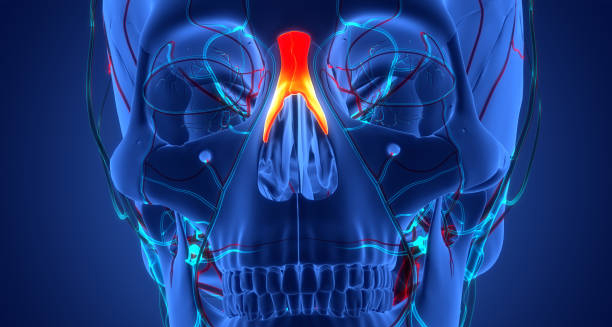

Cavernous Sinus Thrombosis – Overview
Cavernous sinus thrombosis is a rare but life-threatening condition that occurs when a blood clot forms in the sinus. A vein located at the base of the brain, behind the eyes. CST is usually caused by a bacterial infection spreading from the face or sinuses. Additionally, it can result in serious complications if not treated promptly.
The cavernous sinuses are two large veins that drain blood from the brain and face. They are positioned on either side of the pituitary gland . Receive blood from important areas like the eyes and upper cheeks. If an infection from the face, nose, or sinuses spreads into this region. It can cause inflammation and lead to clot formation within the sinus. This clot restricts blood flow and can damage the surrounding nerves and brain tissue.
This condition is considered a medical emergency because it can quickly escalate, leading to stroke, meningitis, or brain abscesses. Early diagnosis and immediate treatment are essential to reduce the risk of permanent damage or death.
Cavernous Sinus Thrombosis – Overview
Common symptoms include swelling around the eyes, bulging of the eyes (proptosis), double vision, fever, headache, and reduced eye movement. These signs often develop rapidly and may affect both eyes even if the infection started on just one side of the face.
This may be caused by skin infections (like boils or acne) in the danger triangle of the face — the area from the corners of the mouth to the bridge of the nose. Because veins in this area communicate directly with the brain, infections can spread more easily than in other parts of the body.
Although extremely rare today due to modern antibiotics, cavernous sinus thrombosis remains a critical diagnosis that demands urgent hospital care. With aggressive treatment, including antibiotics and sometimes surgery or anticoagulants, many patients make a good recovery.
[Next: Causes of Cavernous Sinus Thrombosis →]