Mental Matters

Mental Matters

  • Health & Wellness
  • Mental Health
  • Live Better
  • Directory
  • Articles & Guides
  • Advertise
  • Blog
  • Fields
  • Health & Wellness
  • Mental Health
  • Live Better
  • Directory
  • Articles & Guides
  • Advertise
  • Blog
  • Fields
  • Health & Wellness
  • Mental Health
  • Live Better
  • Directory
  • Articles & Guides
  • Advertise
  • Blog
  • Fields
  • Health & Wellness
  • Mental Health
  • Live Better
  • Directory
  • Articles & Guides
  • Advertise
  • Blog
  • Fields

Cellulitis

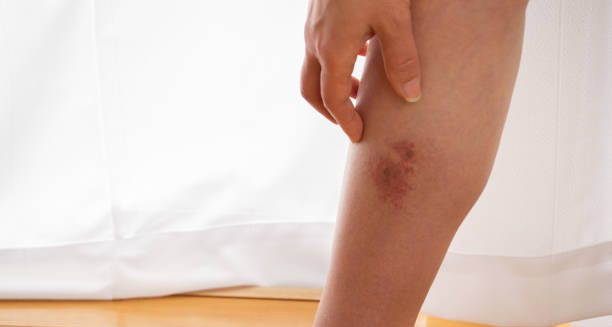
Person touching an inflamed red patch on the lower leg

Inflammatory skin condition on the lower leg, marked by redness, swelling, and tenderness—common signs of cellulitis.

Cellulitis – Overview

This condition Cellulitis is a common and potentially serious bacterial skin infection. That affects the deeper layers of the skin and underlying tissues. This usually appears suddenly, causing redness, swelling, warmth, and pain in the affected area. Although it can occur anywhere on the body, it most commonly affects the lower legs.

The infection typically begins when bacteria enter the skin through a cut. Furthermore, a graze, insect bite, or another break in the skin barrier. Streptococcus and Staphylococcus bacteria are the most common culprits, including methicillin-resistant Staphylococcus aureus (MRSA), which can be more difficult to treat.

Cellulitis is not contagious, but the bacteria that cause it can be spread through direct contact, especially in communal settings. The condition can become severe if left untreated, as the infection may spread to the bloodstream or lymph nodes, potentially leading to life-threatening complications such as sepsis.

While mild cases of this condition may be treated at home with oral antibiotics, more severe infections may require hospital admission for intravenous treatment. Prompt recognition and intervention are essential to prevent the spread of infection and avoid long-term damage.

Cellulitis

Individuals with weakened immune systems, diabetes, poor circulation, or chronic skin conditions like eczema or athlete’s foot are at increased risk. Obesity and older age also raise the likelihood of developing cellulitis.

Cellulitis should always be taken seriously. With early medical attention and the correct antibiotic treatment, most cases resolve quickly without complications. However, recurring infections are possible and often related to underlying risk factors that need to be managed.

[Next: Causes of Cellulitis →]

Diagnosis of Cellulitis
Treatment of Cellulitis
Complications and Recovery from Cellulitis
Symptoms of Cellulitis

Related Posts

Causes and Risk Factors of Appendicitis
Appendicitis

Causes and Risk Factors of Appendicitis

June 6, 2025

Causes and Risk Factors of Appendicitis Appendicitis usually happens when the appendix...

Cartoon drawing of a man getting punched in the face with the word “PUNCH” illustrating the cause of a black eye.
Black Eye

Causes for Black Eye and When to Worry

June 9, 2025

Causes for Black Eye and When to Worry A black eye usually...

Mental Matters

Facebook Instagram

Your Weekly Dose of Mental Health Support
– Straight to Your Inbox

  • Your journey to better mental health starts here—with expert insights and helpful resources delivered weekly.


© 2025 Mental Matters. All rights reserved. The content on this website is intended for informational purposes only and does not constitute medical advice, diagnosis, or treatment. Please consult a qualified health professional for any medical concerns.

Quick Links

  • Directory

  • Advertise

  • Conditions

  • Real Talk

  • Eating Disorders

  • Depressed

  • Autism

  • Community

  • Resources

About

  • Get In Touch

  • Home

  • Privacy Policy

  • Suicide Prevention Support

  • Terms & Conditions

© 2025 Mental Matters. All rights reserved.

No Result
View All Result
  • Health & Wellness
  • Mental Health
  • Live Better
  • Directory
  • Articles & Guides
  • Advertise
  • Blog
  • Fields

© MENTAL MATTERS 2024