Mental Matters

Mental Matters

  • Health & Wellness
  • Mental Health
  • Live Better
  • Directory
  • Articles & Guides
  • Advertise
  • Blog
  • Fields
  • Health & Wellness
  • Mental Health
  • Live Better
  • Directory
  • Articles & Guides
  • Advertise
  • Blog
  • Fields
  • Health & Wellness
  • Mental Health
  • Live Better
  • Directory
  • Articles & Guides
  • Advertise
  • Blog
  • Fields
  • Health & Wellness
  • Mental Health
  • Live Better
  • Directory
  • Articles & Guides
  • Advertise
  • Blog
  • Fields

Cervical Spondylosis

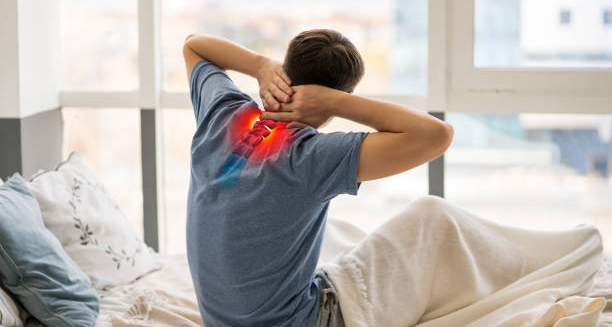
Man sitting on bed holding neck with highlighted spine pain

A young man sits on his bed with visible discomfort in his neck and upper back, indicating cervical spine issues.

Cervical Spondylosis – Overview

This condition, Cervical spondylosis is a common age-related condition that affects the cervical spine — the seven vertebrae in the neck. Cervical spondylosis involves the gradual wear and tear of the discs, joints, and bones in the neck, often leading to stiffness, pain, and reduced mobility. It is also referred to as cervical osteoarthritis or neck arthritis.

As people age, the discs in the cervical spine begin to shrink and lose hydration. This results in less cushioning between the vertebrae. The bones may also develop bony growths known as osteophytes, and the ligaments in the neck may stiffen. These changes are part of the natural ageing process, but for some individuals, they lead to persistent neck pain and neurological symptoms.

This spondylosis is extremely common, especially in people over the age of 50. In many cases, it causes no symptoms and is only discovered incidentally during imaging for another issue. However, when symptoms do occur. Therefore, they can range from mild discomfort to severe nerve compression, leading to weakness, numbness, or even problems with coordination.

Cervical Spondylosis

Risk factors for developing this spondylosis include age. A history of neck injuries, repetitive stress on the neck (such as from certain occupations), smoking, and a sedentary lifestyle. Genetics can also play a role, making some individuals more prone to early disc degeneration.

Although it is a chronic condition with no cure. Many people with this spondylosis respond well to conservative treatments such as physiotherapy, exercise, and pain relief. Surgery is only necessary in a small number of cases.

[Next: Causes of Cervical Spondylosis →]

Diagnosis of Cervical Spondylosis
Complications and Recovery from Cervical Spondylosis
Treatment of Cervical Spondylosis
Symptoms of Cervical Spondylosis

Related Posts

Frustrated girl struggling to study due to dyspraxia complications
Dyspraxia

Complications of Dyspraxia

July 3, 2025

Complications of Dyspraxia The complications of dyspraxia extend beyond motor difficulties and...

Nurse checking blood pressure of patient with bandaged arm
Bundle Branch Block

Diagnosis of Bundle Branch Block

June 11, 2025

Diagnosis of Bundle Branch Block Diagnosis of bundle branch block is typically...

Mental Matters

Facebook Instagram

Your Weekly Dose of Mental Health Support
– Straight to Your Inbox

  • Your journey to better mental health starts here—with expert insights and helpful resources delivered weekly.


© 2025 Mental Matters. All rights reserved. The content on this website is intended for informational purposes only and does not constitute medical advice, diagnosis, or treatment. Please consult a qualified health professional for any medical concerns.

Quick Links

  • Directory

  • Advertise

  • Conditions

  • Real Talk

  • Eating Disorders

  • Depressed

  • Autism

  • Community

  • Resources

About

  • Get In Touch

  • Home

  • Privacy Policy

  • Suicide Prevention Support

  • Terms & Conditions

© 2025 Mental Matters. All rights reserved.

No Result
View All Result
  • Health & Wellness
  • Mental Health
  • Live Better
  • Directory
  • Articles & Guides
  • Advertise
  • Blog
  • Fields

© MENTAL MATTERS 2024