
Chilblains – Overview
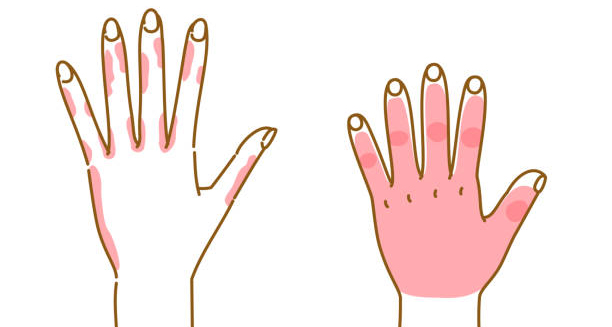
Chilblains are small, itchy, and painful swellings that develop on the skin in response to cold temperatures. This typically affect the extremities — such as fingers, toes, ears, and nose — and are more common in the winter months. While not usually serious, they can be uncomfortable and sometimes lead to skin ulcers or infections if left untreated.
Rapid rewarming after cold exposure causes this reaction in the skin. The sudden temperature change can cause the small blood vessels under the skin to expand more rapidly than nearby larger vessels can accommodate. This leads to a backup of blood and leakage into surrounding tissues, resulting in inflammation and the familiar red or purple patches.
Chilblains are more common in women, children, and individuals with poor circulation or low body fat. People with autoimmune conditions like lupus or Raynaud’s disease are also at greater risk. Although anyone can develop them, these reactions occur more often in colder climates and among people who spend time outdoors or in unheated environments.
Chilblains
Symptoms usually appear a few hours after exposure to cold and typically resolve on their own within 1–3 weeks. Preventative measures — such as keeping warm, avoiding rapid heating, and using moisturisers — are often effective.
Although chilblains are not dangerous in most cases, people with persistent or recurrent lesions should see a doctor to rule out underlying vascular or autoimmune conditions.
[Next: Causes of Chilblains →]