
Chronic Lymphocytic Leukaemia – Overview
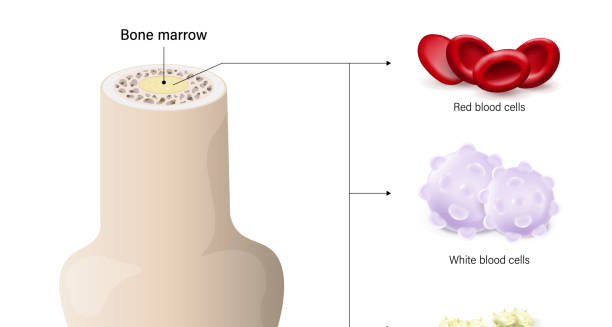
Chronic lymphocytic leukaemia is a type of cancer that affects a specific group of white blood cells called lymphocytes. These cells originate in the bone marrow and play a vital role in the immune system. Chronic lymphocytic leukaemia (CLL) typically progresses slowly and is the most common form of leukaemia in adults, especially those over 60. It often presents with no symptoms in the early stages, making it a condition that is frequently diagnosed during routine blood tests.
CLL develops when abnormal lymphocytes multiply uncontrollably. These cancerous cells accumulate in the blood, bone marrow, and lymph nodes, eventually crowding out healthy cells. As a result, individuals with CLL may become more prone to infections, anaemia, and bleeding problems due to a lack of functional blood cells.
Unlike acute leukaemia, which progresses rapidly and requires immediate treatment, CLL can remain stable for many years. Some individuals may never require active treatment and are instead monitored under a strategy known as “watchful waiting.” However, others may experience worsening symptoms or blood count abnormalities that necessitate intervention.
Chronic Lymphocytic Leukaemia – Overview
The cause of CLL is not fully understood, but certain risk factors are known. These include advancing age, family history of blood cancers, exposure to certain chemicals like Agent Orange, and being of Caucasian descent. Men are more frequently affected than women.
Diagnosis is typically made through blood tests that reveal elevated lymphocyte counts, followed by flow cytometry to identify the type of abnormal cells. A bone marrow biopsy or imaging tests may be used in more advanced cases to assess disease progression.
CLL is generally considered incurable but manageable. Many people live for years — even decades — with the condition, especially if diagnosed early and monitored closely. Advances in targeted therapies and immunotherapy have transformed treatment, significantly improving prognosis.
In summary, chronic lymphocytic leukaemia is a slow-growing blood cancer that affects older adults and can often be managed effectively. Early detection, careful monitoring, and personalised treatment plans offer the best path forward.
[Next: Causes of Chronic Lymphocytic Leukaemia →]