
Cirrhosis – Overview
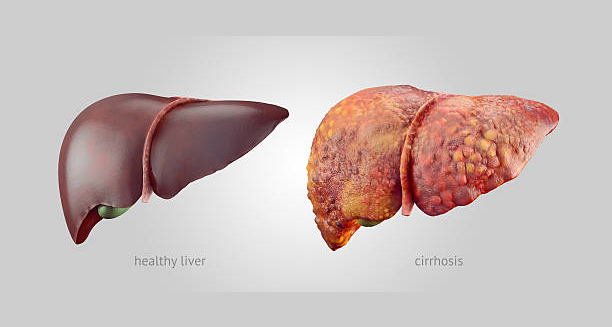
Cirrhosis is a chronic liver disease characterised by long-term damage that leads to the replacement of healthy liver tissue with scar tissue. This process impairs the liver’s ability to function effectively. Over time, this disrupts blood flow through the liver, reduces detoxification capacity, and interferes with nutrient processing and hormone regulation. It is the final stage of various forms of chronic liver disease and can result in liver failure or liver cancer if not properly managed.
The liver plays a crucial role in digestion, metabolism, immunity, and the storage of nutrients. When it becomes scarred, its efficiency declines, affecting the entire body. Cirrhosis often develops silently over several years, with many patients unaware of any problem until the damage is severe.
This condition is generally classified into two stages: compensated and decompensated. In compensated cirrhosis, the liver still performs its essential functions despite the scarring. Once the disease progresses to decompensated cirrhosis, complications such as ascites, jaundice, bleeding, or encephalopathy occur, indicating a more serious condition that demands urgent medical attention.
Cirrhosis
Common causes include chronic alcohol abuse, viral hepatitis (particularly hepatitis B and C), non-alcoholic fatty liver disease (NAFLD), autoimmune liver disease, and certain genetic conditions. Risk factors such as obesity, type 2 diabetes, high cholesterol, and exposure to toxins also contribute.
Although liver damage cannot be reversed, the progression can be slowed or stopped with early diagnosis, lifestyle changes, and treatment of the underlying cause. In advanced stages, a liver transplant may be necessary.
In summary, this is a potentially life-threatening but manageable condition. With proper medical care and lifestyle intervention, many individuals live full lives even after diagnosis.