Mental Matters

Mental Matters

  • Health & Wellness
  • Mental Health
  • Live Better
  • Directory
  • Articles & Guides
  • Advertise
  • Blog
  • Fields
  • Health & Wellness
  • Mental Health
  • Live Better
  • Directory
  • Articles & Guides
  • Advertise
  • Blog
  • Fields
  • Health & Wellness
  • Mental Health
  • Live Better
  • Directory
  • Articles & Guides
  • Advertise
  • Blog
  • Fields
  • Health & Wellness
  • Mental Health
  • Live Better
  • Directory
  • Articles & Guides
  • Advertise
  • Blog
  • Fields

Clostridium difficile

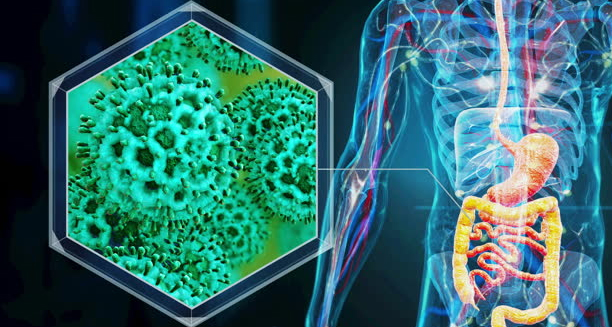
Microscopic view of Clostridium difficile bacteria and human digestive system

Clostridium difficile affects the digestive system, causing severe diarrhoea and inflammation of the colon.

Clostridium difficile – Overview

Clostridium difficile, often referred to as C. difficile or C. diff. A type of bacteria that causes inflammation of the colon, a condition known as colitis. A CDI infection typically occurs after antibiotic use. Which disrupts the normal balance of bacteria in the gut and allows C. difficile to multiply and release toxins. These toxins damage the intestinal lining, leading to symptoms such as diarrhoea, abdominal pain, and fever.

C. difficile is found naturally in the environment and can be present in small numbers in the intestines of healthy individuals. However, in the right conditions—particularly when protective gut bacteria are eliminated by antibiotics—it can rapidly grow and cause illness. Older adults, hospitalised patients, and those with weakened immune systems are especially vulnerable.

Clostridium difficile – Overview

The infection ranges from mild diarrhoea to life-threatening inflammation of the bowel. In some cases, complications such as toxic megacolon, sepsis, or even death may occur. C. difficile is highly contagious, spreading via spores that can survive for months on surfaces such as bed rails, toilet seats, and hands.

Due to its association with healthcare environments, C. difficile has become a major concern in hospitals and care facilities. Rigorous hygiene protocols and antimicrobial stewardship are essential to preventing its spread.

In summary, Clostridium difficile is a dangerous bacterial infection that often follows antibiotic use and poses significant risks in medical settings. Early detection, isolation, and treatment are vital to preventing serious outcomes and limiting transmission.

[Next: Causes of Clostridium difficile →]

Complications and Recovery from Clostridium difficile
Symptoms of Clostridium difficile
Diagnosis of Clostridium difficile
Treatment of Clostridium difficile

Related Posts

Elderly man experiencing eye discomfort from infection complications
Eye Infections

Complications of Eye Infections

July 7, 2025

Complications of Eye Infections The complications of eye infections can range from...

Woman holding lower back with coccyx area highlighted in red
Coccyx Pain

Coccyx Pain

June 13, 2025

Coccyx Pain – Overview Coccyx pain, also known as coccydynia, refers to...

Mental Matters

Facebook Instagram

Your Weekly Dose of Mental Health Support
– Straight to Your Inbox

  • Your journey to better mental health starts here—with expert insights and helpful resources delivered weekly.


© 2025 Mental Matters. All rights reserved. The content on this website is intended for informational purposes only and does not constitute medical advice, diagnosis, or treatment. Please consult a qualified health professional for any medical concerns.

Quick Links

  • Directory

  • Advertise

  • Conditions

  • Real Talk

  • Eating Disorders

  • Depressed

  • Autism

  • Community

  • Resources

About

  • Get In Touch

  • Home

  • Privacy Policy

  • Suicide Prevention Support

  • Terms & Conditions

© 2025 Mental Matters. All rights reserved.

No Result
View All Result
  • Health & Wellness
  • Mental Health
  • Live Better
  • Directory
  • Articles & Guides
  • Advertise
  • Blog
  • Fields

© MENTAL MATTERS 2024