
Complex Regional Pain Syndrome – Overview
Complex regional pain syndrome is a chronic neurological condition that causes persistent, excessive pain usually following an injury or surgery. The pain is typically localised to one limb and often out of proportion to the initial trauma. CRPS can affect anyone, although it’s more common in women and typically develops between the ages of 40 and 60.
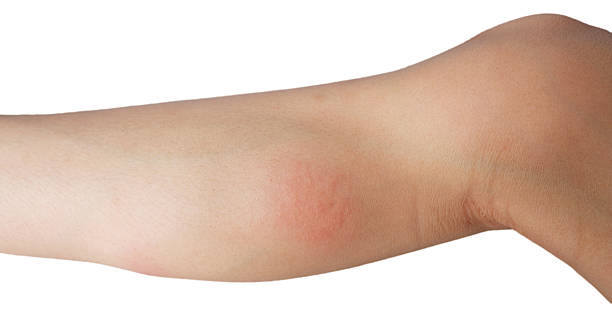
The syndrome is characterised not only by severe pain but also by a range of sensory, motor, autonomic, and trophic symptoms. These may include swelling, temperature changes, altered skin colour, and abnormal hair or nail growth in the affected limb. Over time, the limb may become stiff or even atrophic if not treated appropriately.
There are two main types: CRPS-I, formerly known as Reflex Sympathetic Dystrophy (RSD). Which occurs without a confirmed nerve injury; and CRPS-II, previously termed causalgia, which involves a clearly identifiable nerve injury. Both types share similar symptoms and treatment approaches.
Complex Regional Pain Syndrome
The exact cause is not fully understood. However, it is believed to involve an abnormal response of the nervous system. The syndrome may be triggered by minor injuries such as sprains, fractures, or even injections, making early recognition essential.
Diagnosis is often challenging because the symptoms can mimic other conditions such as neuropathy, arthritis, or deep vein thrombosis. A comprehensive clinical evaluation is necessary to confirm the diagnosis and begin treatment.
In summary, this condition is a debilitating condition. Marked by chronic pain and changes in skin, muscle, and nerve function. Timely diagnosis and treatment are crucial to managing symptoms and preventing long-term disability.
[Next: Causes of Complex Regional Pain Syndrome →]