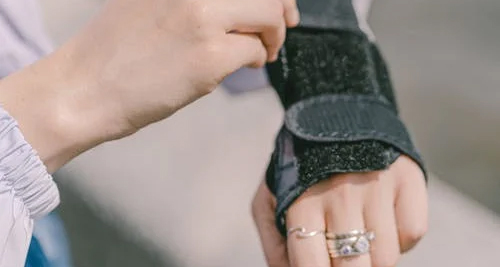

Complications and Recovery from a Broken Wrist
Complications and Recovery from a Broken Wrist depend on the severity of the injury, the quality of treatment, and the patient’s adherence to rehabilitation. While most people heal well, the most common complications and recovery from a broken wrist issues involve stiffness, pain, nerve damage, arthritis, and prolonged loss of function.
Joint stiffness is by far the most frequent complication. Immobilisation, while essential for healing, often leads to reduced flexibility and motion in the wrist and fingers. This is particularly true for older adults and people who delay physiotherapy. Regular exercises under professional supervision can greatly improve recovery.
Pain and swelling may persist for weeks or even months after the cast is removed. In some cases, chronic pain develops if healing is incomplete or if the bones remain slightly misaligned. This can affect hand strength and limit everyday tasks.
Malunion (bones healing in the wrong position) or nonunion (failure of the bones to heal) are more serious complications. These may require corrective surgery and significantly extend recovery time. Malunion may result in visible deformity or altered wrist function.
Nerve or vascular damage is possible in high-impact or open fractures. Symptoms like numbness, tingling, cold fingers, or colour changes in the skin should be monitored closely. In rare cases, permanent nerve damage can affect grip strength or dexterity.
Complications and Recovery from a Broken Wrist
Post-traumatic arthritis can develop months or years after the injury, particularly if the joint surface was involved in the fracture. This may cause stiffness, aching, and reduced wrist mobility during cold weather or heavy use.
Recovery time for a broken wrist varies. Children may heal in four to six weeks. Adults usually require six to twelve weeks, and those who undergo surgery may take longer. Full strength may take several additional months to return.
Support during recovery — both physically and emotionally — is important. Pain, dependency, and limited use of the dominant hand can affect mood and independence. With guidance, encouragement, and persistence, most patients regain full use of their wrist.
Managing complications and recovery from a broken wrist begins with early intervention and continues through every phase of rehabilitation. With proper care, long-term function and mobility are fully achievable.