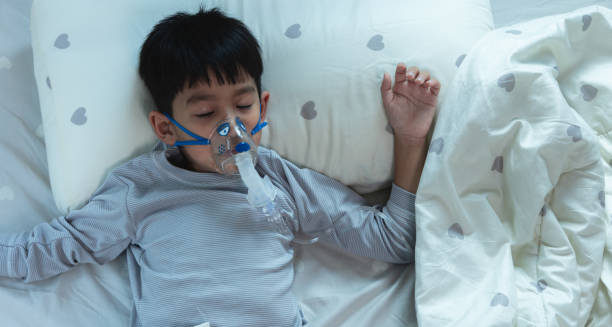
Complications and Recovery from Bronchiolitis
Complications and recovery from bronchiolitis depend largely on the child’s age, health status, and severity of symptoms. Most children recover completely, but understanding the potential complications and recovery from bronchiolitis is important for proper aftercare and prevention.
In otherwise healthy children, bronchiolitis usually resolves within 7 to 10 days. The cough may persist for up to 3 weeks, which is normal and not a sign of serious illness unless accompanied by worsening breathing.
However, complications can occur. The most common is dehydration, particularly in babies who feed less due to breathlessness. Parents should monitor fluid intake and seek help if nappies are dry for more than 6 hours.
Respiratory distress is another concern. If the child breathes very quickly, appears blue or pale, or is using extra muscles to breathe (chest retractions), urgent care is required.
Pneumonia can develop if secondary bacterial infection sets in. This may require antibiotics and closer monitoring.
Complications and recovery from bronchiolitis
In very young babies — especially those under 6 weeks old — apnoea (pauses in breathing) is a serious risk and often requires hospital admission.
Long-term effects are uncommon, but some children may experience recurrent wheezing or develop asthma-like symptoms after repeated infections. Ongoing research is still evaluating the connection between bronchiolitis and childhood asthma.
Preventive measures include:
- Good hand hygiene
- Avoiding sick contacts during RSV season
- Breastfeeding for immune support
- Keeping environments smoke-free
- Annual RSV immunisation in high-risk children (e.g. premature babies)
Recovery care includes ensuring the child is well-hydrated, encouraging rest, and slowly reintroducing normal feeding and activity. Parents should be reassured that noisy breathing and mild coughing may continue for days after the child starts improving.
With proper care, complications and recovery from bronchiolitis are manageable, and most children bounce back with no lasting effects.