
Complications and Recovery from Chronic Lymphocytic Leukaemia
Complications and recovery from chronic lymphocytic leukaemia vary based on disease stage, treatment response, and overall patient health. While chronic lymphocytic leukaemia can remain stable for years, it may eventually cause systemic complications that require close management.
1. Infections
Because CLL weakens the immune system, infections are a leading cause of complications. Patients may experience frequent respiratory, urinary tract, or skin infections. Even minor infections can become severe, particularly after chemotherapy or monoclonal antibody therapy. Preventive antibiotics, vaccinations (excluding live vaccines), and immunoglobulin replacement therapy may be used to reduce risk.
2. Anaemia and Thrombocytopenia
As cancerous lymphocytes crowd out normal bone marrow function, patients may develop low red blood cell counts (anaemia) and low platelet counts (thrombocytopenia). This leads to fatigue, weakness, easy bruising, and prolonged bleeding. These conditions may be managed with medication, transfusions, or changes in treatment.
3. Autoimmune Complications
CLL can trigger autoimmune disorders where the immune system mistakenly attacks red blood cells or platelets. This leads to autoimmune haemolytic anaemia (AIHA) or immune thrombocytopenia (ITP). These complications may require steroids, rituximab, or immunosuppressants.
4. Richter’s Transformation
In 2–10% of cases, CLL can transform into an aggressive form of lymphoma called Richter’s syndrome. This complication is associated with sudden worsening of symptoms, including rapid lymph node enlargement, high fevers, and weight loss. Prognosis is poor, and treatment typically involves aggressive chemotherapy or clinical trial options.
5. Second Cancers | Complications and Recovery from Chronic Lymphocytic Leukaemia
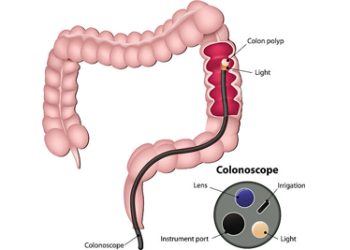
Patients with CLL are at increased risk of developing other cancers, including skin cancer, lung cancer, and gastrointestinal malignancies. Regular screenings and sun protection are important preventative measures.
6. Treatment Side Effects
While targeted therapies have fewer side effects than traditional chemotherapy, they can still cause issues like atrial fibrillation (with BTK inhibitors), low blood counts, diarrhoea, or fatigue. Monitoring and adjusting treatment is vital to maintain quality of life.
Recovery and Monitoring | Complications and Recovery from Chronic Lymphocytic Leukaemia
Recovery from CLL is a relative term. Many patients achieve long-term remission, especially with modern therapies. Recovery focuses on maintaining quality of life, preventing complications, and monitoring for relapse.
Regular follow-up appointments involve:
- Blood tests to monitor lymphocyte counts and organ function
- Physical exams to check for swollen lymph nodes or spleen
- Imaging when needed
- Monitoring for signs of transformation or secondary cancers
Emotional support and mental health care are also essential, as living with a chronic cancer diagnosis can be psychologically taxing. Patient support groups and counselling can greatly aid in coping with uncertainty.
In summary, complications and recovery from chronic lymphocytic leukaemia require a multidisciplinary approach. With vigilant monitoring, tailored treatment, and supportive care, many people can manage their condition successfully and maintain a good quality of life for years.