Mental Matters

Mental Matters

  • Health & Wellness
  • Mental Health
  • Live Better
  • Directory
  • Articles & Guides
  • Advertise
  • Blog
  • Fields
  • Health & Wellness
  • Mental Health
  • Live Better
  • Directory
  • Articles & Guides
  • Advertise
  • Blog
  • Fields
  • Health & Wellness
  • Mental Health
  • Live Better
  • Directory
  • Articles & Guides
  • Advertise
  • Blog
  • Fields
  • Health & Wellness
  • Mental Health
  • Live Better
  • Directory
  • Articles & Guides
  • Advertise
  • Blog
  • Fields

Complications and Recovery from Claustrophobia

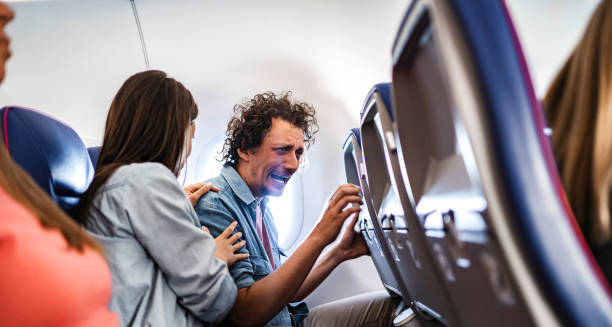
Man experiencing severe claustrophobia during a flight with supportive companion.

A distressed passenger suffering from a claustrophobic episode on a plane, highlighting the emotional and physical impact of confined spaces.

Complications and Recovery from Claustrophobia

Complications and recovery from claustrophobia depend on the severity of the condition and how early it is addressed. While claustrophobia does not directly threaten physical health, its psychological and social consequences can be profound if left untreated. Fortunately, recovery is achievable for most people with the right therapeutic support.

1. Avoidance Behaviour

One of the primary complications is excessive avoidance. Individuals may go to great lengths to avoid lifts, planes, crowded shops, or enclosed toilets. This can limit career options, affect relationships, and reduce quality of life.

2. Physical Health Risks

Fear of confined medical environments may lead to avoiding essential tests such as MRIs, CT scans, or surgeries. In turn, this can delay diagnoses and treatment of physical illnesses.

3. Social Isolation | Complications and Recovery from Claustrophobia

As avoidance behaviours increase, people may withdraw from social situations. They may refuse invitations, miss important events, or avoid commuting, contributing to loneliness or depression.

4. Impact on Career

Jobs that require travel, teamwork in small offices, or attending crowded meetings may be declined or abandoned. This can hinder professional growth and financial stability.

5. Emotional Toll

The constant fear and stress associated with claustrophobia can erode self-confidence and increase the risk of secondary mental health issues like generalised anxiety, depression, or substance use.

Recovery Outlook | Complications and Recovery from Claustrophobia

Recovery from claustrophobia is highly likely with treatment. Exposure-based therapies, CBT, and relaxation strategies have high success rates. Many patients are able to resume normal activities within weeks or months of starting therapy.

Key factors that support recovery include:

  • Early intervention
  • A supportive therapist
  • Consistent practice of techniques
  • Encouragement from family and friends

In severe cases, recovery may take longer, but significant improvement is still achievable.

In conclusion, complications and recovery from claustrophobia highlight the importance of early treatment and ongoing support. With evidence-based therapy and self-help strategies, most individuals can overcome their fear and reclaim their freedom.


[Next: Back to Overview →]

Treatment of Claustrophobia
Causes of Claustrophobia
Diagnosis of Claustrophobia
Symptoms of Claustrophobia

Related Posts

Paediatric doctor explaining diagnostic tools for Hirschsprung’s disease to mother with infant
Health Conditions

Diagnosis of Hirschsprung’s Disease

July 25, 2025

The diagnosis of Hirschsprung’s disease is a critical step in ensuring prompt...

Treatment for Asthma
Asthma

Treatment for Asthma

June 6, 2025

Treatment for Asthma Asthma treatment focuses on controlling symptoms, preventing flare-ups, and...

Mental Matters

Facebook Instagram

Your Weekly Dose of Mental Health Support
– Straight to Your Inbox

  • Your journey to better mental health starts here—with expert insights and helpful resources delivered weekly.


© 2025 Mental Matters. All rights reserved. The content on this website is intended for informational purposes only and does not constitute medical advice, diagnosis, or treatment. Please consult a qualified health professional for any medical concerns.

Quick Links

  • Directory

  • Advertise

  • Conditions

  • Real Talk

  • Eating Disorders

  • Depressed

  • Autism

  • Community

  • Resources

About

  • Get In Touch

  • Home

  • Privacy Policy

  • Suicide Prevention Support

  • Terms & Conditions

© 2025 Mental Matters. All rights reserved.

No Result
View All Result
  • Health & Wellness
  • Mental Health
  • Live Better
  • Directory
  • Articles & Guides
  • Advertise
  • Blog
  • Fields

© MENTAL MATTERS 2024