
Complications and Recovery from Compartment Syndrome
Complications and recovery from compartment syndrome depend on how quickly the condition is diagnosed and treated. In acute compartment syndrome, delays can lead to severe outcomes including permanent disability, chronic pain, or limb amputation. Chronic cases tend to have a more favourable prognosis but can still affect long-term mobility and quality of life.
Potential
If not treated promptly, acute compartment syndrome can result in:
Permanent nerve damage: Leading to weakness, numbness, or paralysis
Muscle necrosis: Dead muscle tissue may require surgical removal
Volkmann’s contracture: A deformity caused by muscle scarring and shortening
Chronic pain: Often due to nerve injury
Infection: Particularly in open fasciotomy wounds
Renal failure: Muscle breakdown products (myoglobin) can overwhelm the kidneys
In rare cases, untreated or poorly managed compartment syndrome can be fatal due to systemic complications like sepsis or multi-organ failure.
Recovery | Complications and Recovery from Compartment Syndrome
Recovery from acute compartment syndrome depends on:
Time to surgery: The sooner the fasciotomy, the better the outcome
Extent of muscle or nerve damage: Severe injuries may require rehabilitation, skin grafts, or reconstructive surgery
Patient age and health: Younger, healthier individuals tend to recover more quickly
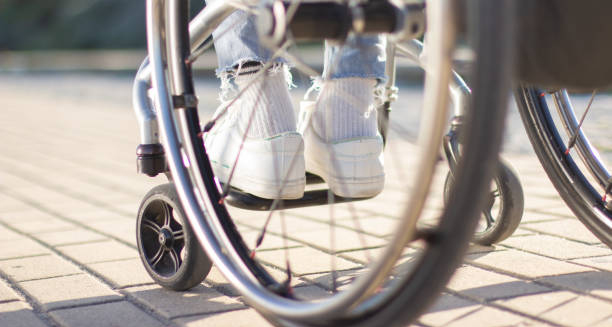
Most patients require physiotherapy to regain strength, range of motion, and functional independence. In some cases, assistive devices may be needed temporarily.
Chronic Compartment Syndrome Recovery
Recovery from chronic cases is generally straightforward, especially after surgical treatment. Most athletes return to their pre-injury activity levels, though recurrence is possible if biomechanical or training issues are not addressed.
In conclusion, complications and recovery from compartment syndrome can range from minimal to life-altering. Prompt intervention is the best predictor of a successful outcome, highlighting the importance of awareness, early diagnosis, and timely treatment.