Complications and Recovery from Deafness
Complications and recovery from deafness depend on the age of onset, cause, and access to support and treatment. While some types of hearing loss are reversible, most cases of deafness involve permanent damage that requires long-term management. The emotional, social, and educational impacts can be significant if the condition is not addressed early.
Communication Barriers
One of the most immediate complications of deafness is difficulty communicating, particularly in group settings or noisy environments
Children may experience language delays if hearing loss is not identified and managed promptly
Adults may struggle with professional communication, which can limit job opportunities and advancement
Educational Challenges
Undiagnosed or untreated deafness in children can lead to delays in reading, writing, and speech
Many children with hearing loss require Individual Education Plans (IEPs) or placement in special education environments
Social integration in school can be challenging without appropriate support
Social Isolation and Mental Health
People with deafness often face social withdrawal, especially if they feel excluded or misunderstood
Depression, anxiety, and low self-esteem are common in those who lack effective communication strategies or supportive environments
Misunderstandings in relationships may create tension, particularly if partners or family members are unaware of the extent of the hearing impairment
Safety Concerns
Inability to hear alarms, traffic, or emergency instructions can increase risk in daily life
Visual alert systems and vibrating devices may be necessary to ensure personal safety
Cognitive Decline
Recent studies suggest a link between untreated hearing loss and an increased risk of cognitive issues in older adults, including dementia. Theories suggest that reduced auditory input may lead to brain atrophy or social disengagement, both of which negatively affect cognitive function.
Recovery and Adaptation
For some, recovery is possible through medical treatment or surgery
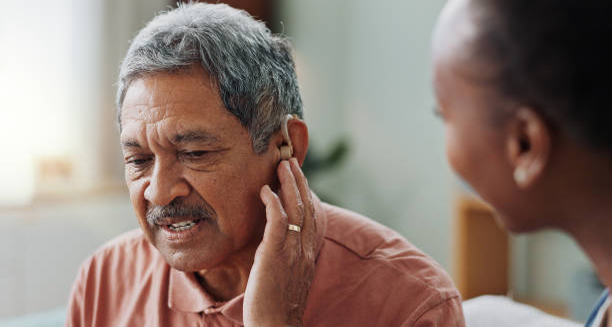
Most people, however, learn to adapt using hearing aids, implants, or alternative communication methods
Successful adaptation requires training, practice, and psychological support
Ongoing Support | Complications and Recovery from Deafness
Audiological follow-ups
Maintenance of hearing devices
Participation in support groups, rehabilitation programmes, and counselling
In conclusion, complications and recovery from deafness go beyond the physical condition. With the right support, education, and tools, individuals with deafness can overcome challenges, regain independence, and lead fulfilling lives.