
Complications and Recovery from Dementia
Complications and recovery from dementia depend heavily on the type, severity, and timing of intervention. While most forms of dementia are progressive and incurable, proactive care, planning, and support can improve quality of life and slow decline. Complications often arise from the interplay of physical, cognitive, emotional, and social challenges.
Cognitive Decline and Loss of Independence
The most direct complication of dementia is the gradual loss of:
Memory
Language and communication
Decision-making and judgement
Over time, individuals may require support for basic activities such as eating, bathing, and dressing. This loss of autonomy can be distressing and requires coordinated caregiving efforts.
Injuries and Accidents | Complications and Recovery from Dementia
Dementia increases the risk of:
Falls, due to impaired coordination and perception
Wandering, especially at night or in unfamiliar environments
Medication errors, such as overdosing or skipping doses
Burns or cuts from cooking or using sharp tools unsafely
Environmental adaptations—like motion sensors, locks, and visual cues—can reduce these risks.
Physical Health Complications
People with dementia often develop other medical problems, including:
Malnutrition or dehydration, especially in advanced stages
Infections, such as urinary tract infections or pneumonia
Incontinence, which can lead to skin infections and social withdrawal
Because dementia can affect the ability to report symptoms, health issues may go unnoticed until they become severe.
Emotional and Social Challenges | Complications and Recovery from Dementia
Depression, anxiety, and social isolation are common, particularly in the early and middle stages:
Individuals may feel frustrated by their declining abilities
Loss of social networks can lead to loneliness
Behavioural changes, such as aggression or paranoia, can strain relationships
Caregiver Burden
Family carers often experience high levels of stress, exhaustion, and emotional strain. Without support, caregivers may face burnout, affecting both their own health and the quality of care provided.
Recovery and Adaptation | Complications and Recovery from Dementia
Although dementia cannot be reversed, people can still experience:
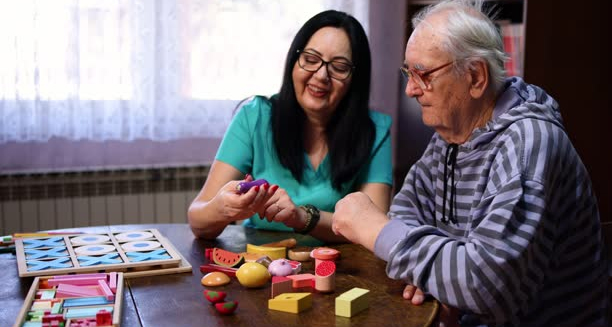
Meaningful interaction, joy, and emotional connection
Improved function with therapies and proper care
Dignity and autonomy, especially with early planning and compassionate communication
In conclusion, complications and recovery from dementia span the physical, emotional, and practical domains. With holistic, ongoing care, individuals can continue to live purposefully and with dignity, even as the disease progresses.