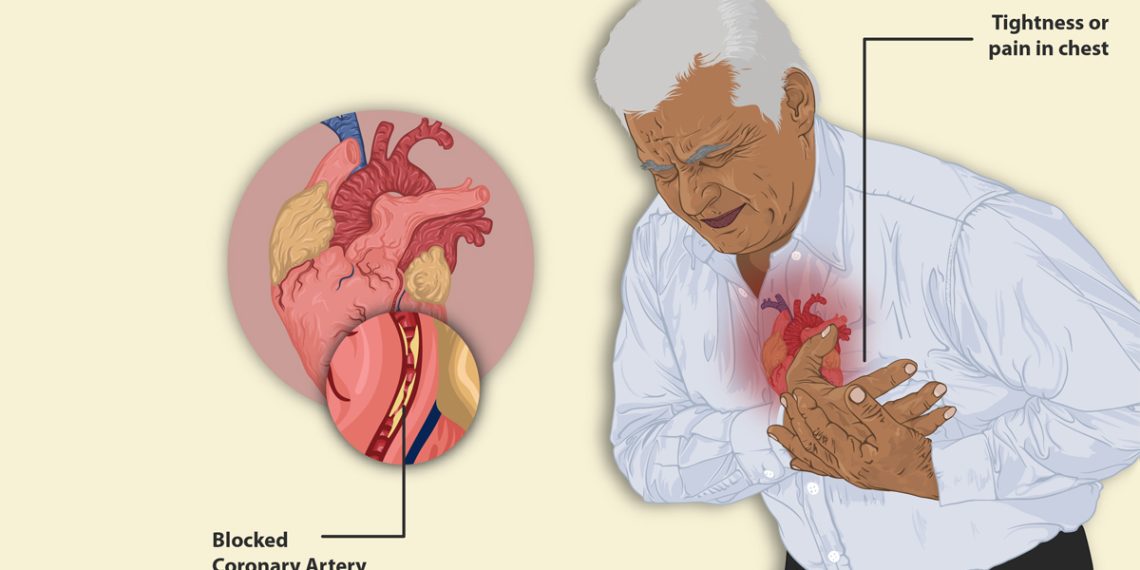

Complications of Atrial Fibrillation
The complications of atrial fibrillation includes rising risks of serious medical events, especially when untreated.
1. Stroke
AF causes blood to pool in the atria, leading to clot formation. If a clot travels to the brain, it causes a stroke. AF increases stroke risk fivefold.
Warning signs: Sudden weakness, slurred speech, facial drooping, vision loss, or confusion.
2. Heart failure
Uncontrolled AF may weaken the heart muscle, especially if the heart beats too fast for extended periods.
3. Chronic fatigue and reduced quality of life
AF can cause decreased energy levels, difficulty exercising, and poor sleep.
4. Blood clots elsewhere
Clots may travel to the lungs (pulmonary embolism) or limbs, causing dangerous complications.
5. Cognitive decline
Some studies link AF with an increased risk of dementia due to reduced brain perfusion and micro-clots.
Complications of Atrial Fibrillation
Preventing complications requires early diagnosis, ongoing treatment, and adherence to lifestyle changes and medications. Patients with AF must be educated about stroke signs and the importance of daily medication adherence.
The Serious Impact of Untreated AF
Atrial fibrillation may seem manageable at first, but its complications can be life-threatening if not properly addressed. Stroke remains the most devastating risk, but heart failure, fatigue, and cognitive decline also reduce quality of life. Awareness of symptoms and early medical intervention are critical.
Staying Ahead of the Risks
In South Africa, access to ongoing care, stroke education, and affordable medication plays a vital role in reducing complications. With proper management, including lifestyle changes and adherence to treatment, patients can protect themselves from the most serious outcomes and maintain long-term health and independence.
👉 [Next: Living Well with Atrial Fibrillation]
Treatment and Management of Atrial Fibrillation