
Complications of Early Menopause
The complications of early menopause can be far-reaching, affecting physical, emotional, and reproductive health. While menopause is a natural phase, going through it early—often before 40 or 45—means a longer period of low oestrogen, which increases the risk of several serious health conditions. Recognising these risks helps women take steps to manage them.
One of the most significant complications of early menopause is infertility. When the ovaries stop producing eggs prematurely, natural conception becomes unlikely or impossible. For women who haven’t had children or were planning more, this loss can be deeply distressing and may lead to depression or anxiety.
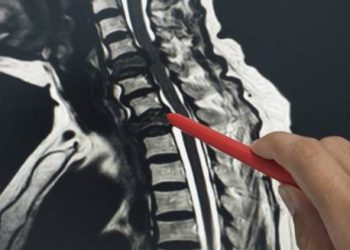
Bone loss is another major concern. Oestrogen plays a vital role in maintaining bone density. Women who enter menopause early are at increased risk of developing osteopenia or osteoporosis, leading to fragile bones and a higher likelihood of fractures later in life. Without preventive measures, this can result in serious disability.
Cardiovascular disease is also more common. Oestrogen helps protect the heart by maintaining healthy cholesterol levels and supporting blood vessel function. Early menopause increases the risk of high blood pressure, heart attack, and stroke, especially in women who smoke or have other health conditions.
Mental health complications are frequent. The hormonal shift, combined with the emotional toll of early ageing and fertility loss, can lead to mood swings, depression, irritability, or even panic attacks. These issues are often overlooked or dismissed, particularly in young women, who may not receive the psychological support they need.
Sexual dysfunction is another concern. Vaginal dryness, reduced libido, and painful intercourse can affect intimacy and self-confidence. These symptoms, if ignored, may cause strain in relationships and reduced sexual well-being.
Long-term cognitive risks have also been linked to early menopause. Some studies suggest an increased risk of dementia or memory issues, particularly if hormone levels drop too early and are not treated. This area is still being studied, but it underscores the importance of early intervention.
Complications of Early Menopause
In South Africa, access to preventative care like bone scans, cardiac screening, and psychological support varies greatly between urban and rural areas. Many women with early menopause receive limited education about these risks and may not be followed up regularly. Raising awareness among healthcare providers is essential to reduce long-term complications.
Women who have undergone cancer treatment or surgery that triggered early menopause may face even more severe challenges. These include sudden onset of symptoms, loss of fertility, and increased emotional stress, often without adequate counselling.
Addressing the complications of early menopause requires a comprehensive approach. Lifestyle changes, medication, emotional support, and regular health monitoring can help women live full, healthy lives despite an early transition. Awareness, early diagnosis, and personalised care are the keys to protecting long-term well-being.