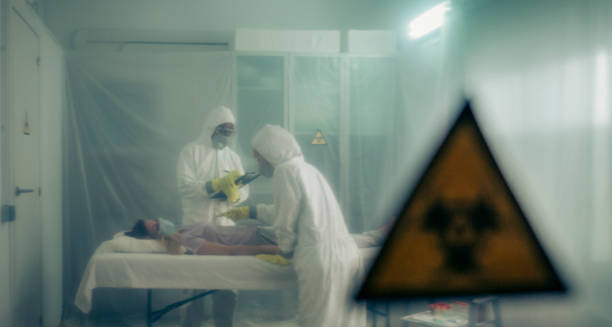

Complications of Ebola Virus Disease
The complications of Ebola virus disease can be devastating and long-lasting, even for those who survive the initial infection. While some patients recover fully, many experience lingering physical and psychological effects. The severity of Ebola virus disease means that complications often begin during the acute illness and may persist for months or years afterward.
During the acute phase, common complications include:
Severe dehydration, which can lead to kidney failure
Internal and external bleeding, increasing the risk of haemorrhagic shock
Sepsis, a life-threatening immune response to infection
Multi-organ failure, particularly affecting the liver, kidneys, and heart
Respiratory distress, due to inflammation or fluid overload
Secondary infections, like pneumonia or bloodstream infections
These complications often result from the virus’s impact on the immune system and vascular system. Patients may rapidly deteriorate without intensive care. Even with the best medical support, the mortality rate remains high in some outbreaks.
For those who survive, post-Ebola syndrome is a recognised condition. This includes a range of physical and mental health problems, such as:
Chronic fatigue
Muscle and joint pain
Blurred vision or eye inflammation, which can lead to blindness if untreated
Hearing loss
Memory loss and difficulty concentrating
Depression, anxiety, or post-traumatic stress disorder (PTSD)
In many survivors, the virus lingers in areas like the eyes, central nervous system, and reproductive organs. Ebola has been detected in semen months after recovery, raising concerns about sexual transmission and necessitating prolonged monitoring and guidance.
Social complications are also serious. Survivors may face stigma, rejection, or isolation from their communities, even after they are no longer infectious. Some lose their jobs or homes during illness, and many grieve the loss of family members. These social effects can delay full recovery and contribute to long-term mental health issues.
Complications of Ebola Virus Disease
In South Africa and other countries, planning for Ebola-related complications includes not only clinical care but also psychosocial support. Mental health services, reintegration programmes, and access to rehabilitation are important to help survivors rebuild their lives.
Healthcare workers are also at high risk for long-term effects. Those infected while caring for others often carry physical and emotional scars, and support for their recovery is essential for rebuilding trust and capacity in the health system.
Preventing the complications of Ebola virus disease starts with early detection, immediate care, and long-term follow-up. Survivors deserve comprehensive support—not just to heal, but to thrive after surviving one of the world’s most feared viral diseases.