Complications of Frostbite
The complications of frostbite depend on how severe the tissue damage is and how quickly treatment was started. Frostbite can lead to long-term physical and emotional consequences, especially in cases of deep or repeated cold exposure.
Tissue Death and Amputation
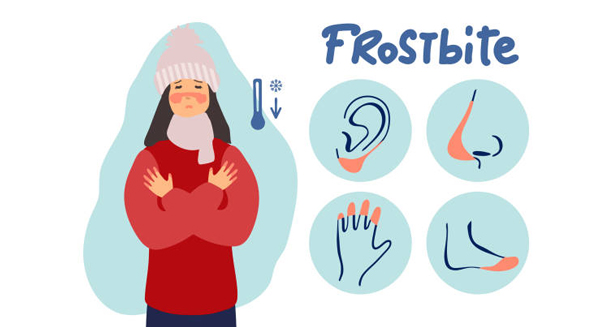
Severe frostbite causes necrosis (tissue death), particularly in the fingers, toes, ears, and nose
If tissue becomes gangrenous, surgical amputation may be necessary to prevent infection and sepsis
In some cases, only part of a digit is removed, while others may require complete amputation
This can have a major impact on physical function and emotional wellbeing.
Infection
Open blisters or dead skin can lead to bacterial infections
If left untreated, these infections can spread and cause:
Cellulitis
Abscesses
Sepsis – a life-threatening systemic infection
Good wound care and hygiene are essential to prevent infection.
Long-Term Sensory Issues
Even after the skin heals, many people experience:
Numbness or reduced sensation
Tingling or burning pain (neuropathy)
Heightened sensitivity to cold
These symptoms may persist for months or years and can make cold environments difficult to tolerate.
Joint and Bone Damage
Severe frostbite can damage cartilage, tendons, and bones
Joints may become stiff or permanently restricted in movement
In children, frostbite may affect bone growth, leading to deformities
Recovery may require physiotherapy and long-term orthopaedic care
Emotional and Psychological Impact
People who suffer significant frostbite may develop:
Depression or anxiety
Physiotherapy and long-term orthopaedic care may help support recovery and mobility
Body image concerns following disfigurement
Counselling and support groups are helpful in the recovery process.
Risk of Recurrence
Areas that have experienced frostbite once are more vulnerable to future cold injury
Blood vessels in the damaged area may remain compromised
Preventative measures are critical to avoid repeat episodes
Complications of Frostbite
Understanding the complications of frostbite reinforces the importance of early intervention, protective clothing, and proper post-recovery care.