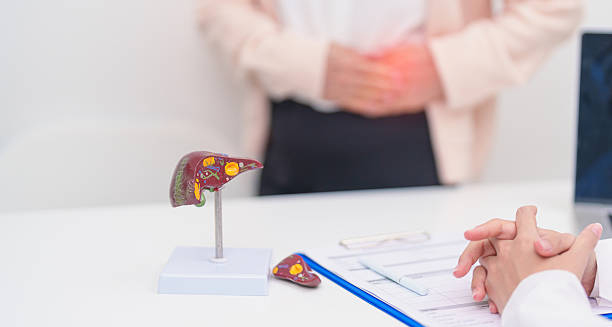

Complications of Gallstones
The complications of gallstones arise when stones block bile flow or trigger inflammation. While many people live with gallstones without any problems, untreated or poorly managed cases can lead to serious health issues. Gallstones can also increase the risk of infections, organ damage, and rare cancers.
Cholecystitis (Gallbladder Inflammation)
Occurs when a stone blocks the cystic duct, causing the gallbladder to become inflamed
Symptoms include severe upper right abdominal pain, fever, nausea, and tenderness
May lead to abscesses, gallbladder rupture, or generalised infection (sepsis) if not treated
Urgent surgery may be required in severe cases.
Choledocholithiasis (Bile Duct Stones)
Stones may migrate into the common bile duct, blocking the flow of bile
Leads to jaundice, dark urine, pale stools, and abdominal pain
Requires ERCP to remove the obstruction and relieve symptoms
Pancreatitis
Gallstones can block the pancreatic duct, leading to acute pancreatitis
Symptoms include intense upper abdominal pain, vomiting, and fever
Can range from mild to life-threatening and often requires hospitalisation
Gallbladder Empyema
Build-up of pus inside the gallbladder
Results from untreated cholecystitis
Increases risk of rupture and widespread infection
Gallstone Ileus
A rare complication where a large gallstone enters the intestine and causes a blockage
Can result in severe abdominal pain, vomiting, and bowel obstruction
Often requires surgery to remove the stone and relieve the blockage
Gallbladder Cancer
Long-term gallstone disease may slightly increase the risk of gallbladder cancer
Rare, but more likely in people with chronic inflammation or porcelain gallbladder
Recurrent Biliary Pain
Without treatment, gallstones can cause repeated painful episodes
These may become more frequent and severe over time
Complications of Gallstones
Recognising and managing the complications of gallstones early prevents escalation and helps preserve overall digestive health.