Complications of Gilbert’s Syndrome
The complications of Gilbert’s syndrome are virtually non-existent in most individuals. Gilbert’s syndrome is a benign condition, and despite its impact on bilirubin metabolism, it does not lead to liver damage, chronic disease, or a shortened lifespan. However, recognising certain implications—particularly regarding drug metabolism and quality of life—can help individuals avoid unnecessary stress or misunderstanding.
Most people diagnosed with Gilbert’s syndrome live full, healthy lives. That said, there are a few rare or indirect complications worth being aware of, especially in contexts like medication use or coexisting conditions.
1. Medication-Related Complications
The most clinically relevant complication arises when people with Gilbert’s syndrome are prescribed drugs that depend on the UGT1A1 enzyme for detoxification. Because enzyme activity is reduced, these medications may accumulate in the body, potentially leading to:
Increased side effects
Delayed drug clearance
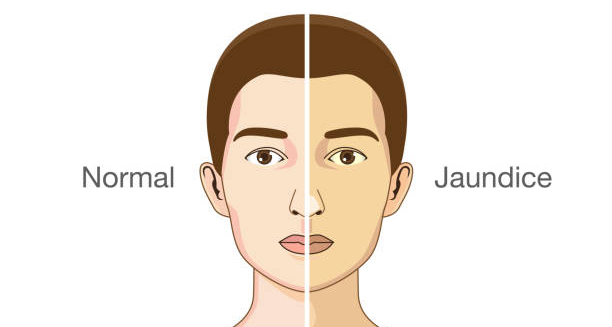
Elevated bilirubin levels, causing cosmetic jaundice
Medications of concern include:
Irinotecan – a chemotherapy drug, known to cause diarrhoea, neutropenia, or even severe toxicity in susceptible individuals
Atazanavir – used in HIV treatment, may worsen jaundice but not liver damage
Certain anaesthetics and statins – usually safe but worth monitoring if prolonged use is needed
Preventive strategies:
Inform all healthcare providers of the diagnosis
Conduct liver function monitoring during long-term treatment
Consider alternative medications if side effects are significant
2. Emotional and Social Impact
For many people, the most tangible complication is psychological rather than physical. These include:
Worry about having liver disease
Fear of long-term complications due to miscommunication or internet misinformation
Embarrassment about visible jaundice, especially in public or professional settings
These concerns are valid but manageable with education. Clear, consistent information from medical professionals can prevent unnecessary anxiety.
3. Misdiagnosis and Over-Investigation
A frequent complication in healthcare systems is:
Repeated or unnecessary testing for liver disease
Referrals to specialists when not required
Cost and inconvenience for patients and providers
When Gilbert’s syndrome is not recognised, it can lead to misdiagnosis, unnecessary liver biopsies, or even restrictive lifestyle recommendations.
This is particularly important in contexts like:
Insurance or employment medicals
Military or aviation screening
Blood donation assessments
Documenting the diagnosis helps reduce unnecessary concern and inappropriate testing.
4. Quality of Life Concerns
Though the condition itself is benign, the perception of illness can affect daily life. Individuals may experience:
Changes in self-image due to visible jaundice
Over-cautious behaviour, avoiding activities or foods without need
Reluctance to exercise or travel, fearing symptom flare-ups
These lifestyle limitations are usually self-imposed and based on misunderstanding. In reality, people with Gilbert’s syndrome can:
Travel freely
Exercise at any intensity
Eat a varied, unrestricted diet
Take most medications under medical guidance
Education is the most effective remedy for these lifestyle complications.
5. Coexisting Conditions
In rare cases, Gilbert’s syndrome may coexist with other liver or metabolic disorders, such as:
Haemolytic anaemia
Hepatitis
Crigler-Najjar syndrome (type II) – a more severe form of bilirubin-processing disorder
While Gilbert’s syndrome does not cause these conditions, its presence may confuse the clinical picture. That’s why new or worsening symptoms always warrant a full evaluation.
6. Persistent Fatigue
Though evidence is mixed, some individuals with Gilbert’s syndrome report persistent fatigue, even between jaundice episodes. This fatigue may:
Reduce motivation or productivity
Interfere with daily routines
Trigger concern about more serious illness
Fatigue can often be managed through:
Structured routines
Improved sleep hygiene
Stress reduction
Light-to-moderate exercise
Where persistent, medical evaluation is advised to exclude unrelated causes.
Summary of Potential Complications
| Complication | Impact |
| Medication sensitivity | Increased side effects |
| Emotional stress / anxiety | Fear of illness or social concern |
| Misdiagnosis or over-testing | Unnecessary procedures or costs |
| Fatigue | Lifestyle impact, requires evaluation |
| Coexisting conditions | Diagnostic confusion if present |
Conclusion | Complications of Gilbert’s Syndrome
The complications of Gilbert’s syndrome are rare and generally non-serious. Most people experience minimal interference with daily life and can safely manage any symptoms with education and awareness. The key to avoiding complications lies in early diagnosis, informed medical care, and understanding that Gilbert’s syndrome is a benign and manageable condition.