
Complications of Growing Pains
The complications of Growing Pains are rare, as the condition itself is benign and self-limiting. However, if left unaddressed, the complications of Growing Pains may include disrupted sleep, emotional distress, and reduced quality of life due to frequent night-time awakenings and anxiety. It is important to differentiate these from complications due to misdiagnosis, such as missing signs of more serious medical conditions.
Growing Pains typically resolve on their own, but the burden they place on children and their families should not be underestimated. Episodes can be painful and frightening, especially if they occur regularly or if there is uncertainty about the cause.
1. Sleep Disruption
The most immediate complication is poor sleep:
Children may wake crying or in distress
Repeated awakenings lead to fragmented sleep
Sleep loss may affect mood, concentration, and school performance
Parents, too, may suffer from disrupted rest, leading to fatigue, stress, and concern about their child’s health. In persistent cases, both child and caregiver may become anxious at bedtime, worsening the cycle.
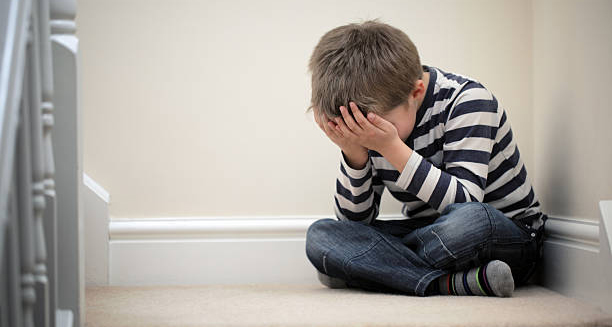
2. Anxiety and Emotional Distress
While the pain itself is not dangerous, the emotional response can be significant:
Children may fear bedtime due to anticipated pain
Some become clingy or dependent on a parent for reassurance
Others may internalise pain, becoming withdrawn or anxious
If a child believes something is wrong with their body, or if caregivers are visibly worried, this can heighten anxiety and distress. These emotional reactions may continue even after physical symptoms subside.
3. Reduced Participation in Activities
Although Growing Pains do not usually affect daytime activity, some children:
Avoid sport or physical play if they associate activity with later pain
Become less confident in their bodies
Withdraw from group games or physical education
This reduced participation can impact social development, fitness, and self-esteem. With reassurance and stretching routines, most children regain confidence quickly.
4. Overuse of Medication
In some cases, over-reliance on paracetamol or ibuprofen can occur:
Parents may give medication routinely “just in case”
Long-term use may cause stomach upset or reduce effectiveness
Pain relief becomes a crutch instead of addressing the root discomfort
Education about non-pharmacological treatments is key to avoiding this complication.
5. Parental Guilt or Frustration
Parents often feel:
Helpless when unable to stop their child’s pain
Anxious about potentially missing a serious diagnosis
Frustrated by repeated episodes disrupting the household
Without clear information, these feelings can erode confidence in managing the condition. Providing structured advice helps reduce stress and promotes a calmer, more supportive approach.
6. Misdiagnosis or Missed Diagnosis
The most serious potential issue is misidentifying something more dangerous as Growing Pains. Conditions that may be mistakenly dismissed include:
Leukaemia
Bone tumours
Juvenile arthritis
Infections such as osteomyelitis
Failure to recognise red flags (fever, swelling, limp, fatigue) may delay critical treatment. Accurate diagnosis through careful assessment is essential to avoid this risk.
7. Impact on Family Dynamics
If Growing Pains become frequent or prolonged:
Parents may disagree on how to handle episodes
Siblings may be disturbed by night-time events
Routines may be disrupted, leading to household tension
Long-term, this can subtly impact family wellbeing and cohesion. Open communication, shared strategies, and support from healthcare providers help families manage more effectively.
8. Educational or Behavioural Issues
Some children, particularly those prone to anxiety or sensitivity, may:
Struggle with school performance due to fatigue
Show signs of irritability or restlessness in the classroom
Develop avoidant behaviours linked to fear of pain
These issues are rare but worth monitoring in children with very frequent episodes. Collaborative care with teachers and psychologists may be helpful.
9. Psychological Labelling
Another subtle complication is the risk of labelling a child as “fragile” or “sickly.” This can:
Affect self-identity
Limit participation in activities
Reinforce the child’s sense that they are different from peers
Parents and educators should encourage normal activity and treat the child as healthy and capable, even if occasional support is needed.
10. Rare Physical Sequelae (Indirect)
In extremely rare cases, untreated biomechanical issues such as flat feet may contribute to recurrent discomfort. Addressing underlying musculoskeletal factors early prevents strain from compounding over time.
Conclusion | Complications of Growing Pains
The complications of Growing Pains are typically mild and manageable, centred around sleep disturbance and emotional distress rather than physical harm. While the condition is benign, its effects on daily life can be frustrating and draining if not addressed with proper care. By understanding the complications of Growing Pains, families and healthcare providers can respond with empathy, reassurance, and effective strategies—ensuring children remain active, happy, and confident throughout their development.