
Complications of Guillain-Barré Syndrome
The complications of Guillain-Barré Syndrome can range from mild residual weakness to life-threatening organ failure. While many patients make a good recovery, the complications of Guillain-Barré Syndrome depend on the speed of progression, the severity of nerve damage, and how quickly treatment begins. Prompt diagnosis and supportive care significantly reduce the risk of long-term disability or fatal outcomes.
Guillain-Barré Syndrome (GBS) affects the peripheral nerves responsible for movement, sensation, and autonomic functions. Because it often progresses rapidly, even minor delays in recognition or intervention can lead to serious complications. Though most people recover, a significant minority experience lingering effects or require extended rehabilitation.
1. Respiratory Failure
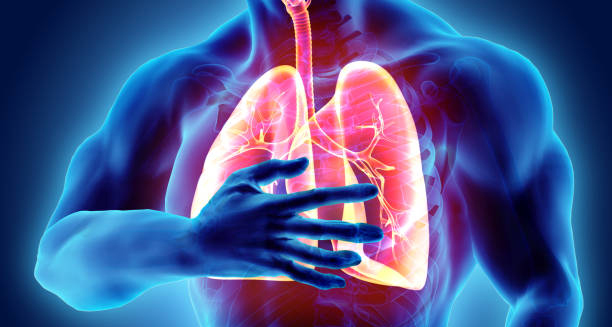
One of the most critical complications is respiratory muscle weakness, which occurs in approximately 30% of cases.
Patients may struggle to breathe due to paralysis of the diaphragm and intercostal muscles
Mechanical ventilation may be needed for days or weeks
Risk of ventilator-associated pneumonia and lung collapse
Requires intensive care and specialist respiratory support
Delayed intervention can lead to fatal hypoxia or cardiac arrest.
2. Autonomic Dysfunction
Autonomic instability can affect:
Heart rate (tachycardia, bradycardia, arrhythmias)
Blood pressure (dangerous swings, hypertension, or hypotension)
Bladder control (retention or incontinence)
Bowel function (constipation or ileus)
Temperature regulation (excessive sweating or chills)
These symptoms can be unpredictable and may lead to life-threatening events like sudden cardiac arrest.
3. Chronic Pain and Sensory Deficits
Although GBS is primarily a motor disorder, many patients experience nerve-related pain, which can persist for months or years. This includes:
Neuropathic pain (burning, tingling, stabbing sensations)
Muscle cramps or spasms
Increased sensitivity to touch (allodynia)
Residual numbness, especially in the hands and feet
Chronic pain can significantly affect quality of life and may require long-term medication and physiotherapy.
4. Permanent Muscle Weakness and Disability
Some individuals develop:
Foot drop, impacting walking
Weak grip or hand function
Balance issues, especially in the elderly
Long-term reliance on mobility aids
Physical disability occurs in around 10–15% of patients, particularly in those who experienced a delayed diagnosis or severe axonal injury.
5. Fatigue and Mental Health Challenges
Post-recovery complications often include:
Persistent fatigue, even when strength returns
Reduced exercise tolerance
Difficulty returning to work or school
Depression, anxiety, or post-traumatic stress, especially after prolonged ICU stays
Psychological support and energy-conservation strategies are essential for reintegration into daily life.
6. Deep Vein Thrombosis and Pressure Sores
Immobility during the acute phase can increase risk of:
Blood clots in the legs or lungs (pulmonary embolism)
Pressure ulcers from prolonged bed rest
Urinary tract infections from catheter use
Preventive measures include blood thinners, frequent repositioning, and physiotherapy.
7. Infections
Due to weakened immunity and hospitalisation, patients are at increased risk of:
Respiratory infections, especially on ventilators
Sepsis
Urinary infections
Skin infections in those with immobility or poor hygiene
Strict infection control in hospital and good hygiene post-discharge are crucial.
8. Relapse or Recurrent Symptoms
Although rare, some people may experience:
Recurrent GBS episodes (less than 5%)
Transition to Chronic Inflammatory Demyelinating Polyneuropathy (CIDP)
Slow, progressive deterioration instead of recovery
Such patients require close neurologist follow-up and possible repeat immunotherapy.
9. Occupational and Educational Disruption
Severe or prolonged illness can interrupt:
Employment, especially in physically demanding jobs
Education, requiring home-schooling or academic accommodations
Family life, due to caregiving burdens and emotional stress
Rehabilitation and vocational support help individuals reintegrate into work or school over time.
10. Mortality
Although GBS is largely survivable, mortality ranges from 4–7% globally, often due to:
Cardiac arrest from autonomic dysfunction
Severe infections or pulmonary complications
Delayed diagnosis in resource-limited settings
Improved access to immunotherapy and critical care has significantly reduced these rates in recent decades.
Conclusion | Complications of Guillain-Barré Syndrome
The complications of Guillain-Barré Syndrome can affect every aspect of a person’s physical, emotional, and social wellbeing. While early treatment greatly improves outcomes, ongoing rehabilitation and psychological support are often needed. Understanding and addressing the complications of Guillain-Barré Syndrome allows for a more holistic recovery and improves long-term quality of life.