Complications of Haemophilia
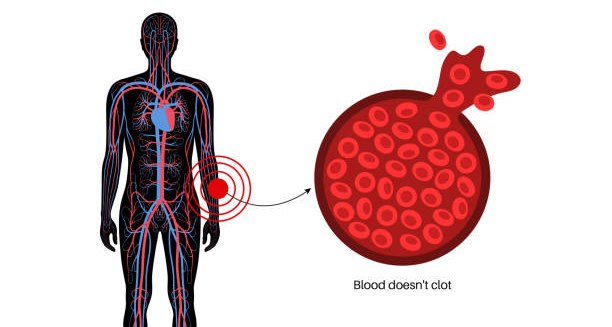
The complications of Haemophilia range from spontaneous bleeding and joint damage to more serious problems like inhibitor development and life-threatening internal haemorrhages. Although modern treatments have significantly reduced the burden, the complications of Haemophilia remain a concern, especially in individuals who do not have access to regular therapy.
Haemophilia is a chronic disorder that requires lifelong management. Without consistent treatment and monitoring, bleeding can occur unpredictably, leading to physical disability, emotional distress, and reduced quality of life.
1. Joint Damage (Haemophilic Arthropathy)
One of the most common long-term complications is chronic joint damage, resulting from repeated bleeding into joints (haemarthrosis).
Key joints affected:
Knees
Ankles
Elbows
Each bleed causes inflammation and cartilage damage, leading to:
Pain and swelling
Reduced mobility
Joint deformity
Chronic arthritis
Without prophylactic treatment, joint disease may begin in early childhood and worsen with age.
2. Muscle Bleeds and Haematomas
Bleeding into muscles can cause:
Swelling and bruising
Pressure on nerves, leading to numbness or tingling
Compartment syndrome, a rare but serious condition where pressure builds up inside a muscle group, cutting off blood supply
These bleeds may mimic trauma injuries and require urgent assessment and treatment.
3. Internal Bleeding
Spontaneous bleeding can occur inside the:
Abdomen or pelvis
Brain (intracranial haemorrhage)
Throat or neck
Signs of serious internal bleeding include:
Sudden, severe headache
Vomiting, confusion, or loss of consciousness
Difficulty breathing or swallowing
Sudden abdominal pain or distension
These are medical emergencies requiring hospital care and high-dose factor replacement.
4. Inhibitor Development
Some individuals develop inhibitors—antibodies that render standard clotting factor therapy ineffective.
This complication leads to:
Uncontrolled bleeding, even with treatment
More frequent joint and muscle bleeds
Need for complex and expensive therapies like bypassing agents
Inhibitor development is more common in Haemophilia A and often appears during early childhood.
5. Blood-Borne Infections (Historic Risk)
Before the 1990s, many people with haemophilia contracted:
Hepatitis B or C
HIV/AIDS
This was due to contaminated plasma-derived clotting factors. Today, all blood products are rigorously screened, and recombinant factor products carry no infection risk.
However, some older individuals still live with the consequences of past infections, such as:
Chronic liver disease
Cirrhosis
Liver cancer
6. Chronic Pain and Reduced Mobility
Joint and muscle damage from repeated bleeds may result in:
Daily chronic pain
Limited range of motion
Reliance on mobility aids (e.g., canes, wheelchairs)
Social isolation or depression
Pain management often includes physiotherapy, exercise, and medication. Mental health support is equally important for overall wellbeing.
7. Psychological and Social Impact
Living with a chronic condition like haemophilia can take a toll on mental health. Common challenges include:
Anxiety around bleeding episodes
Depression due to physical limitations
Stigma or isolation, especially in school or work environments
Employment and insurance barriers
Support groups, counselling, and educational outreach can help individuals and families cope more effectively.
8. Surgical Risks
People with haemophilia face added risks during any surgical or dental procedure due to bleeding. Without proper clotting factor cover, surgery can lead to:
Excessive bleeding
Delayed healing
Post-operative complications
Elective procedures require coordinated care between haematology and surgical teams, often with multiple days of factor replacement and monitoring.
9. Reduced Quality of Life in Resource-Limited Settings
In many parts of the world, access to clotting factor therapy is limited or non-existent. As a result:
Children die young from uncontrolled bleeding
Survivors experience severe disability
Educational and employment opportunities are lost
Global efforts through organisations like the World Federation of Hemophilia (WFH) aim to improve access and reduce these disparities.
10. Financial Burden
Haemophilia treatment is expensive. In high-income countries, annual costs for prophylactic factor therapy can exceed $200,000 per person. For families and healthcare systems, this financial burden can be overwhelming, especially in the absence of:
Insurance cover
Government funding
Access to affordable generic products
Conclusion | Complications of Haemophilia
The complications of Haemophilia can be serious, particularly in those who do not receive early diagnosis or consistent treatment. From joint damage and chronic pain to life-threatening bleeds and psychosocial challenges, the complications of Haemophilia affect nearly every aspect of life. With improved therapies, supportive care, and global advocacy, many of these complications can be prevented or effectively managed, offering hope for a healthier future.