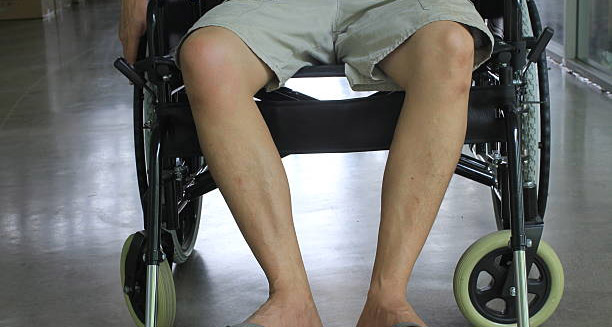
The complications of hereditary spastic paraplegia (HSP) can significantly affect an individual’s daily life, extending beyond primary motor symptoms.
As hereditary spastic paraplegia worsens, several problems may appear. These include severe walking difficulties, lasting pain, frequent falls, and new medical concerns. Knowing how these complications work—and managing them early—can help protect independence and improve daily life.
Mobility and Muscle-Related Complications in HSP
One of the main issues in HSP is the loss of easy movement. As muscle tightness, weakness, and balance problems grow, walking becomes harder. Many people eventually need crutches, walkers, or even wheelchairs.
This drop in mobility can lead to other problems. Muscles may shrink from lack of use. Joints can get stuck in bent positions. Some may develop bedsores or weaker heart health. To fight these issues, regular physical therapy and stretching are vital. Staying active helps keep strength and function for longer.
This approach is similar to how recovery works in Hepatitis A. Just like movement matters in HSP, staying active supports liver healing in Hepatitis A.
Fall Risks and Joint Changes
People with HSP fall more often due to poor muscle control and balance. These falls can cause serious injuries like sprains or broken bones. A single fall may leave someone bedridden, which worsens their symptoms.
To prevent this, safety planning is key. This includes balance training, home adjustments, and using walking aids. Education on fall prevention can also make a big difference.
Joint problems are another common issue. Tight muscles pull on joints, leading to long-term stiffness and odd shapes. The hips, knees, and ankles are usually affected. Stretching, physical therapy, and support braces help slow this process. In serious cases, surgery may restore movement and ease pain.
Even though HSP affects nerves and Hepatitis A affects the liver, both conditions can lead to lasting changes without timely care.
Pain and Bladder or Bowel Issues
Pain often comes from tight muscles or poor posture in HSP. Muscle spasms and joint strain also add to the discomfort. This pain can affect sleep, mood, and basic daily tasks.
Managing pain early improves quality of life. This can include heat therapy, cold packs, pain medicines, massage, or light exercise. Relaxation methods like deep breathing or mindfulness also help.
Problems with the bladder or bowel are also common in HSP. People may struggle with urine leaks or constipation. These issues can be upsetting and hard to manage alone. Treatment options include more water, a fiber-rich diet, and bladder training. Pelvic floor exercises and certain medications can also help.
People with Hepatitis A also experience fatigue and stomach issues—again showing how managing each symptom can help improve the whole picture.
Mental and Cognitive Effects
Living with HSP brings mental health challenges. As mobility fades, people may feel isolated or discouraged. It’s common to experience anxiety, sadness, or low self-esteem.
Mental health support is key. Talking to a therapist or joining support groups can help people feel less alone. Staying connected to others improves emotional strength and outlook.
In some forms of HSP, thinking problems also appear. These include memory issues or trouble making decisions. These changes make work, school, or daily tasks more difficult. Early screening helps identify these problems. Cognitive training and tailored therapy plans can support thinking and learning.
Even people recovering from Hepatitis A sometimes feel stress or sadness. This reminds us how both body and mind need care during illness.
Breathing, Metabolism, and Long-Term Health
Though rare, some people with advanced HSP develop breathing issues. This usually happens when upper-body muscles grow too weak. Less movement can also raise the risk of lung infections like pneumonia.
Breathing exercises, good posture, and regular activity help protect lung health. Staying mobile—even in small ways—makes a real difference.
Other long-term problems may include weight gain, diabetes, or heart disease. These happen when movement slows down and muscles shrink. To avoid these, people with HSP should follow a healthy diet, stay as active as possible, and check in regularly with doctors.
Just as in Hepatitis A, where diet and rest support recovery, lifestyle choices in HSP matter greatly for long-term wellness.
In Summary
The complications of hereditary spastic paraplegia go beyond walking trouble. They affect the whole body and mind. But with early action, many of these issues can be slowed or managed.
A full care plan should include physical therapy, mental health support, fall prevention, and long-term health checks. People with HSP can live better lives with the right help and knowledge.
As with Hepatitis A, early care and whole-body treatment lead to better outcomes and a stronger sense of control.