
Complications of idiopathic pulmonary fibrosis often arise as the disease progresses, significantly impacting both prognosis and quality of life.
Why Complications Develop
While idiopathic pulmonary fibrosis (IPF) mainly causes lung scarring and breathlessness, its effects spread far. They can even lead to life-threatening problems if ignored. IPF is a long-term and worsening disease, so complications build slowly, though sudden flare-ups can happen. Understanding the complications of idiopathic pulmonary fibrosis helps both doctors and patients manage risks and plan treatment.
Acute Exacerbations
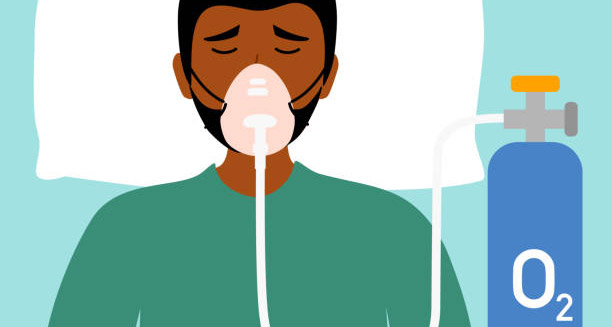
One of the most serious complications of idiopathic pulmonary fibrosis is an acute flare-up. These sudden episodes cause fast worsening of breathing and can be deadly. People often feel more short of breath and have very low oxygen levels. Scans like a CT often show new lung changes. These attacks may look like infections, but many happen without a clear reason. Most patients need hospital care with strong steroid medicines and oxygen. Sadly, these episodes have poor outcomes and remain a leading cause of death in IPF.
Pulmonary Hypertension
Another major complication is pulmonary hypertension. This means high blood pressure in the lung arteries. As lung scarring grows and oxygen drops, small lung blood vessels tighten or break down. This raises pressure and strains the heart, often causing right-sided heart failure (cor pulmonale). Treating pulmonary hypertension is hard and usually means advanced disease. Common signs include swelling in the legs, chest pain, and severe tiredness. Doctors use oxygen and certain drugs to ease the heart and lung stress, but results are often limited because of the damage.
Gastro-Oesophageal Reflux (GERD)
GERD is another overlooked complication of idiopathic pulmonary fibrosis. Many patients suffer from acid reflux. Research shows stomach acid may reach the lungs and make scarring worse. GERD can be silent, so people might not notice symptoms. Still, acid can harm the lungs over time. Treating GERD with medicines like proton pump inhibitors or, in some cases, surgery (such as Nissen fundoplication) can help lower flare-ups and improve comfort. This makes GERD a fixable risk in IPF care.
Infections and Their Risks
Infections are a big worry for people with idiopathic pulmonary fibrosis. Because their lungs work poorly and clear mucus slowly, they face higher infection risks. Pneumonia is common. Those taking steroids or immune-suppressing drugs have extra risk of viral or fungal infections. Infections can trigger sudden decline and worsen breathing. Preventive steps like flu and pneumonia vaccines, quick treatment of chest symptoms, and good hygiene are key. Doctors must act fast since symptoms can appear mild at first in IPF.
Lung Cancer in IPF
Lung cancer is also common in patients with idiopathic pulmonary fibrosis, especially smokers. Ongoing lung injury and scarring may cause cancer cells to grow. Detecting cancer in IPF patients is tough because the symptoms—like cough or weight loss—are similar to IPF. Biopsies are risky for fragile lungs, and treatment options such as chemo or surgery can worsen fibrosis. So, treatment must be very careful and tailored to the patient.
Mental and Emotional Impact
Idiopathic pulmonary fibrosis does not only harm the lungs. It deeply affects mental health. Many patients feel depressed or anxious due to the long-term illness, loss of independence, and fear of the future. Fatigue and breathlessness can stop social life and make daily tasks very hard. Support through therapy, support groups, or medicine can greatly improve life. Mental health care should always be part of IPF treatment.
End-Stage Respiratory Failure
In the last stage of IPF, breathing failure becomes the biggest threat. The lungs can no longer give enough oxygen, even with high-flow oxygen therapy. Patients feel breathless all the time, extremely tired, and unable to move much. Palliative care becomes vital, focusing on comfort and emotional support. Lung transplant may help some people, but most are not eligible because of age or other health problems. Spotting this stage early helps families plan care and prepare for end-of-life support.
Caregiver Strain
Idiopathic pulmonary fibrosis also affects families. As patients need more care, loved ones often face burnout, stress, and money problems. Education, counseling, and rest options for caregivers are very important. Involving family in care planning helps them feel ready and supported.
Blood Clots and Mobility Issues
Sometimes, IPF patients develop blood clots like pulmonary embolism or deep vein thrombosis (DVT). This happens when people move less and have ongoing inflammation. To lower this risk, patients should stay as active as possible, use compression stockings, and take blood thinners if needed. These clots are dangerous because IPF patients already struggle to breathe.
Final Thoughts on Complications of Idiopathic Pulmonary Fibrosis
The complications of idiopathic pulmonary fibrosis affect both body and mind. Acute flare-ups, pulmonary hypertension, infections, GERD, lung cancer, and end-stage failure all threaten health and life. Mental distress and caregiver stress add more challenges. By spotting and treating these risks early, doctors can improve life quality and help patients and families manage this tough disease.