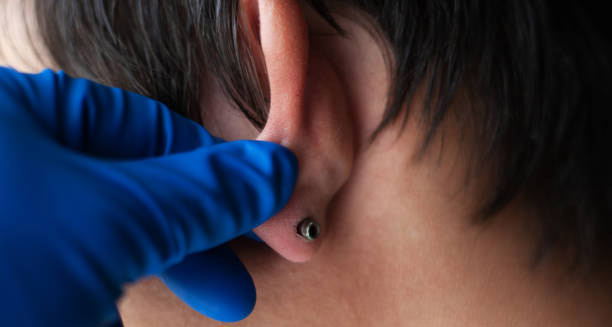
Complications of infected piercings can range from minor delays in healing to serious and potentially permanent damage to tissue and overall health.
Although many infections clear up with quick treatment and proper care, ignoring symptoms or using the wrong remedies can make things worse. Understanding the complications of infected piercings helps people see why even small problems need attention and why expert care is often necessary.
Prolonged Healing and Tissue Changes
One of the most common complications of infected piercings is slow healing. Infections interrupt the body’s normal repair process, which leads to longer-lasting swelling, pain, and poor tissue recovery. A piercing that should heal in weeks may take months. During this time, it’s more likely to get hurt or reinfected.
Ongoing inflammation can also cause scar tissue to build up. This not only delays healing but can also change how the piercing looks. In some cases, the area may never fully return to normal.
Raised Scars and Abscess Formation in Complications of Infected Piercings
Infected piercings often lead to raised scars, known as hypertrophic scars or keloids. These thick, raised patches can itch or feel uncomfortable. Some grow beyond the piercing site and are hard to treat. Doctors may use steroid injections, freezing treatments, or lasers to reduce their size.
Another serious issue is abscess formation. An abscess is a painful pocket of pus under the skin. If not treated quickly, it can burst inward, spread infection, and cause cellulitis—a dangerous skin infection. Cartilage piercings, such as those on the upper ear or nose, are more likely to develop abscesses due to low blood flow.
Life-Threatening Complications of Infected Piercings
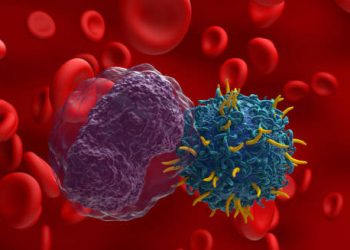
In rare cases, infection can enter the bloodstream and cause septicaemia, or sepsis. This is a medical emergency that moves fast. Signs include fever, chills, confusion, fast heart rate, and organ failure. People with weak immune systems are most at risk. Immediate hospital care and IV antibiotics are crucial to survival.
Another risk is cartilage necrosis. If infection cuts off the blood supply in areas like the ear or nose, tissue can die. This may cause permanent changes, like a misshapen ear or collapsed nose. In these cases, surgery may be needed to remove dead tissue and rebuild the area.
Loss of Piercing and Other Local Effects
When an infection gets out of control, the piercing hole may close or no longer support jewellery. This is often upsetting, especially for people who value the piercing for personal or cultural reasons. After a severe infection, re-piercing the same spot may not be possible or safe.
Swelling from infection can also cause the skin to grow over the jewellery—a problem known as embedding. This often happens when the jewellery is too small or when the infection causes the skin to swell too much. Surgery may be needed to remove the jewellery and clean the area. If ignored, embedding can cause pressure sores, repeat infections, and permanent scarring.
Migration, Rejection, and Other Specific Risks
Some piercings may begin to move or be pushed out by the body—this is called migration or rejection. Infections make this worse by inflaming the area and triggering an immune response. When this happens, the jewellery often leaves a scar and can’t be replaced in the same spot.
Mouth and genital piercings bring extra risks. Infections in the tongue or lip can swell so much that they block airways or damage teeth. Genital piercings may cause pain during sex, lead to urinary infections, or form scars. These areas also face more friction and contact with bodily fluids, which raises the risk of infection.
Mistaken Reactions and Emotional Impact
Sometimes, allergic reactions to jewellery are mistaken for infections. Treating an allergy with antibiotics does nothing and may cause rashes or fungal infections. On the flip side, calling a real infection an allergy can delay treatment and allow the condition to worsen.
Finally, the emotional effects of infected piercings are often overlooked. People may feel embarrassed, anxious, or regretful—especially if there is visible damage. This is particularly hard for young people who see their piercings as part of their identity or self-expression.
Protecting Against the Complications of Infected Piercings
In short, the complications of infected piercings range from small annoyances to medical emergencies. Delayed healing, scars, abscesses, tissue death, and widespread infection are all possible if not treated quickly. To avoid these outcomes, people should follow aftercare instructions, act at the first sign of trouble, and always choose good-quality jewellery. These steps help protect both health and personal style.