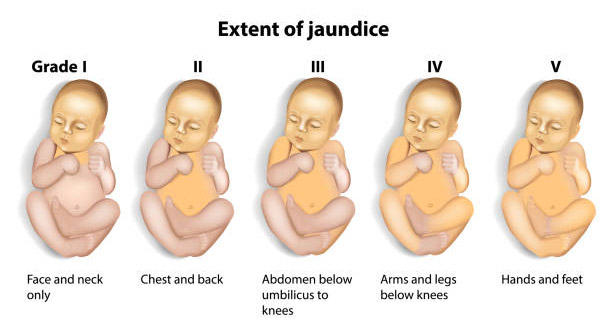

While many cases of jaundice in newborns are mild and resolve without lasting effects, it is crucial to recognise that serious complications can occur when the condition is severe, prolonged, or left untreated. Elevated bilirubin levels, especially when not monitored or managed appropriately, can have toxic effects on an infant’s developing brain and body. These complications range from reversible concerns such as feeding difficulties to permanent neurological impairments like kernicterus.
Understanding the potential complications of jaundice in newborns helps to underscore the importance of timely diagnosis, vigilant monitoring, and appropriate treatment. This section explores the range of complications, from common short-term issues to rare but serious long-term outcomes.
Acute Bilirubin Encephalopathy (ABE)
One of the most serious complications of jaundice in newborns is acute bilirubin encephalopathy. This condition happens when too much unconjugated bilirubin enters the brain, especially in areas like the basal ganglia and brainstem.
Signs and Symptoms of ABE include:
- Sleepiness or poor responsiveness
- Trouble feeding or refusal to feed
- High-pitched crying
- Unusual muscle tone (floppy or stiff)
- Arching of the back and neck
- Seizures
- Irregular or paused breathing
These symptoms may start mildly and grow worse without treatment. Quick recognition and urgent care can prevent long-term harm.
Kernicterus and Lasting Brain Damage
If acute bilirubin encephalopathy is not treated, it can lead to kernicterus. This condition causes permanent brain damage from bilirubin deposits in brain tissue. Although rare in modern hospitals, it still occurs in areas with limited resources.
Neurological Effects of Kernicterus include:
- Cerebral palsy (mainly dystonic or athetoid types)
- Hearing loss
- Difficulty moving the eyes upward
- Learning delays
- Intellectual disabilities
Kernicterus is lifelong. Affected children often need therapy, special education, and long-term care. Preventing kernicterus by treating jaundice early is the best approach.
Feeding Problems and Dehydration
In moderate jaundice, babies may feed poorly. Sleepy infants may not latch or suck well. Low fluid intake slows bilirubin removal, which worsens jaundice.
Effects of Poor Feeding:
- Dehydration (especially in breastfed infants)
- Higher bilirubin levels due to slow digestion
- Poor weight gain
- Longer jaundice duration
Teaching parents how to spot dehydration—such as fewer wet nappies or dry mouths—can help prevent these issues.
Anaemia as a Complication
Certain causes of jaundice in newborns—like Rh or ABO incompatibility—can break down red blood cells quickly, leading to anaemia. This reduces oxygen delivery to tissues.
Signs of Anaemia may include:
- Pale skin
- Tiredness or low energy
- Fast heart rate
- Poor circulation
In serious cases, doctors may need to give blood transfusions. Anaemia can also make recovery longer and raise other health risks.
Prolonged Neonatal Jaundice
If jaundice lasts more than two weeks in full-term babies (or three in preemies), it is called prolonged neonatal jaundice. Though often harmless, it may also point to other conditions.
Possible Underlying Issues:
- Congenital hypothyroidism
- Biliary atresia
- Neonatal hepatitis
- Urinary tract infection
- Metabolic diseases like galactosaemia
If jaundice lasts long or shows warning signs (pale stools, dark urine, or poor growth), doctors must investigate quickly. For example, early surgery in biliary atresia improves outcomes.
Long-Term Developmental Delays
Untreated or severe jaundice may affect a baby’s physical and brain development. These problems may appear months or even years later.
Common Delays Linked to Jaundice:
- Slower language development
- Poor coordination
- Learning challenges
- Trouble with social interactions
Not all delays come from jaundice, but high bilirubin levels increase the risk. Babies with severe jaundice should get regular developmental checks in early life.
Hearing Loss From High Bilirubin
Another possible complication of jaundice in newborns is sensorineural hearing loss. Even moderate bilirubin levels, if untreated, can damage the hearing nerve or inner ear.
What to Do:
- All jaundiced babies should have hearing tests
- If hearing loss is found, more tests and treatment must follow
Early hearing aids or implants can help speech and learning. Hearing checks are a crucial step in jaundice follow-up.
Emotional Stress on Parents
While not a medical effect, parental stress is a real and serious side effect of jaundice in newborns. Watching a yellow baby, hospital trips, and unfamiliar treatments can cause major anxiety.
Ways to Support Parents:
- Speak clearly and calmly
- Give handouts that explain jaundice in simple terms
- Offer reassurance when it’s safe to do so
- Connect families with support services
Involving parents in care and keeping them informed helps reduce fear and improves trust in medical advice.
Conclusion
The complications of jaundice in newborns can range from mild feeding troubles to serious and lifelong brain damage. Problems like kernicterus, anaemia, and developmental delays highlight why fast diagnosis and good care are so important.
Most cases of newborn jaundice get better with basic care like phototherapy. Still, healthcare workers must act early, monitor closely, and educate parents well. With these steps, babies with jaundice can recover fully and thrive in the years ahead.