
The complications of keratosis pilaris are generally not medical emergencies but can significantly affect an individual’s quality of life and psychological well-being.
Keratosis pilaris is harmless and not contagious. However, its look, ongoing nature, and symptoms can cause other problems. These effects often get ignored, yet they can harm mental health, damage the skin, and lower self-esteem—especially when the condition is more severe or red and swollen.
Knowing the complications of keratosis pilaris helps those dealing with it long-term. It also helps doctors and nurses provide better care. Early treatment, good education, and emotional support all help reduce the impact. They also improve long-term results.
Emotional and Psychological Impact of Complications of Keratosis Pilaris
One major problem is how it affects emotions and self-image, especially for teens and young adults. The bumps often show on the arms, face, or thighs. This visibility causes shame, awkwardness, and low self-worth. These feelings worsen in public or during summer when skin is exposed.
People may start to feel:
- Nervous in social settings
- Sad or unsure about themselves
- Hesitant about physical closeness
- Worried about how they look
These feelings get stronger if the skin is red or sore. They also increase when others don’t understand what the person is going through. When this happens, therapy or counselling may be helpful.
Skin Inflammation and Redness
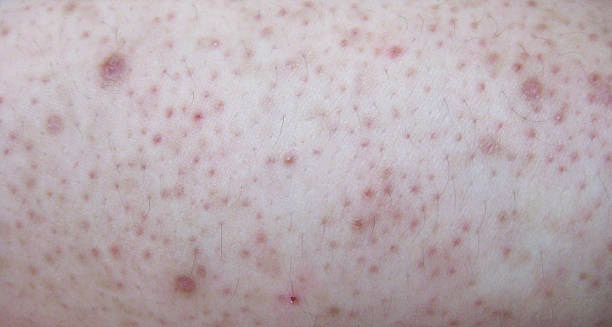
While keratosis pilaris often doesn’t cause inflammation, sometimes the bumps get red, sore, or puffy. This happens if there is too much rubbing or the skin gets treated harshly. A common type called keratosis pilaris rubra makes the skin look even worse and slows healing.
When inflammation occurs, people might:
- Feel itchy or sore
- Notice red patches that won’t go away
- Think it looks like acne
- Feel stressed from how it looks
Cold air, dry skin, and lack of moisture often make it worse. Using strong scrubs, rubbing too hard, or picking at the bumps also leads to more redness.
Skin Pigmentation Changes
Some people develop dark or light spots on the skin. This change happens because of repeated irritation or swelling. It’s called post-inflammatory hyperpigmentation or hypopigmentation.
This is a bigger concern for people with darker skin, where these marks stand out more and take longer to fade. Common causes include:
- Scratching or picking the skin
- Skin damage from exfoliating too often
- Sunburn or harsh treatments
These colour changes don’t pose a health risk. Still, they can make people feel self-conscious. Even with treatment, it can take months for the skin tone to even out.
Scarring and Skin Thickening
In some cases, especially if left alone or handled the wrong way, keratosis pilaris can cause scars or thickened skin. While not common, this often happens when someone scratches a lot or uses the wrong products.
Scars might appear as:
- Tiny dents in the skin
- Thick, rough patches
- Dark or light spots that won’t go away
These changes usually result from skin damage—not from keratosis pilaris itself. The risk goes up if other skin problems are also present or if people use strong, unsuitable treatments.
Complications of Keratosis Pilaris Affecting Confidence and Clothing
Many people adjust their clothing to hide their skin. This means skipping sleeveless tops, shorts, or anything that shows the arms and legs.
These changes may seem small. But they often reflect deep worries. People may:
- Skip going out with friends
- Avoid swimming at school
- Feel nervous during job interviews
This shift in habits lowers confidence and affects how free someone feels to be themselves. It can lower joy in everyday life, especially when people feel forced to cover up.
Pregnancy-Related Complications of Keratosis Pilaris
During pregnancy, keratosis pilaris often gets worse for a while. Hormones can make the skin drier, redder, and itchier. This may cause more discomfort.
Treating the condition during pregnancy is also harder. Some creams, like retinoids, are unsafe to use. Because of this, managing symptoms becomes more challenging. The changes to skin can also affect body image, adding stress to an already emotional time.
Misdiagnosis and Lack of Knowledge
One big problem is when doctors mistake keratosis pilaris for something else. It is often confused with acne, eczema, or a rash. This leads to:
- Using the wrong products
- Frustration from not getting better
- Poor advice on how to care for the skin
- Mental strain from feeling confused
When patients and healthcare workers don’t understand the condition, proper care gets delayed. The bumps may worsen. That’s why education and early help from a skin doctor are so important.
Financial Burden and Treatment Stress
Living with keratosis pilaris can get expensive. Many treatments cost money, and medical insurance usually doesn’t cover them since it’s seen as a cosmetic problem.
People often spend money on:
- Moisturisers for daily use
- Special creams prescribed by doctors
- Skin clinic visits
- Scrubs and exfoliants from stores
These costs can cause stress, especially when results take time. Setting clear goals and finding affordable options makes it easier to stay on track.
Final Thoughts on the Complications of Keratosis Pilaris
Keratosis pilaris may not be dangerous. Still, its complications—physical and emotional—can deeply affect people. From skin scars and redness to low confidence and isolation, these side effects show why full understanding is so important.
Thankfully, a steady skincare routine, emotional care, and medical support can reduce most of these issues. Early action and kindness from others help improve both the skin and the person’s overall well-being.