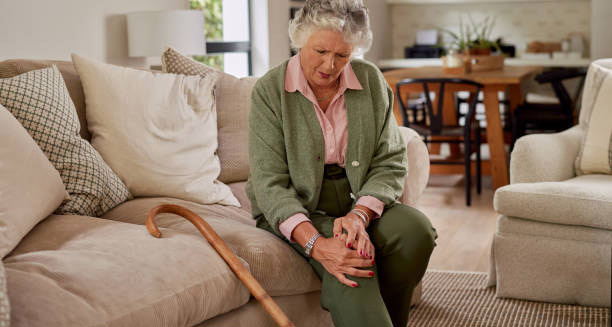

Complications of knee cartilage damage can have long-lasting effects on mobility, joint stability, and overall quality of life. When left untreated or poorly managed, even minor cartilage injuries can worsen and lead to more serious joint problems. Understanding the complications of knee cartilage damage helps patients, doctors, and caregivers act early and prevent permanent joint damage.
One of the most common complications of knee cartilage damage is osteoarthritis. Cartilage cushions the bones in the knee joint and allows smooth movement. When cartilage breaks down, bones rub together, causing friction and inflammation. This leads to joint breakdown over time. Osteoarthritis causes pain, stiffness, swelling, and limits movement. Eventually, it can become severe enough to need knee replacement surgery.
Chronic pain is another serious complication. Pain may continue long after the injury or surgery. It can result from inflammation, nerve irritation, or bone spurs forming where the joint wears unevenly. Chronic pain affects both physical and mental health. It can disrupt sleep, reduce daily activity, and cause frustration, anxiety, or depression. Patients may rely on pain medicines, which have risks and side effects.
Joint instability and misalignment in complications of knee cartilage damage
Knee cartilage damage can also cause joint instability and reduced mobility. Cartilage loss changes how the knee moves. Supporting muscles and ligaments can become strained or unbalanced. This instability increases the risk of falls and further injury. Many patients find walking, climbing stairs, or exercising difficult. Less physical activity can cause muscle weakness, weight gain, and poorer heart health.
Another complication is joint misalignment. When cartilage wears unevenly, weight shifts incorrectly. This can cause knock-knee (valgus) or bow-leg (varus) deformities. Misalignment speeds up cartilage loss and joint damage. Some patients need surgery to realign the joint, such as osteotomy, or may eventually require knee replacement.
Joint effusion, or “water on the knee,” is swelling caused by extra fluid in the joint. This fluid buildup causes warmth, tightness, and swelling. Repeated effusions might need joint drainage or steroid injections. However, these treatments only relieve symptoms temporarily and don’t fix cartilage damage.
Loose bodies are small bits of cartilage or bone that break off and float inside the joint. These fragments can get stuck during movement, causing the knee to lock, catch, or hurt suddenly. Loose bodies often require arthroscopic surgery to remove them, especially for active people.
Psychosocial and surgical complications of knee cartilage damage
Psychosocial complications are often missed but important. Chronic knee problems can lead to emotional distress, low self-esteem, and social withdrawal. Athletes unable to return to sport or people forced to give up activities may lose a sense of identity and life satisfaction. The cost of treatment, time off work, and disability can also cause financial and emotional stress for patients and families.
In younger patients, cartilage damage can delay growth or joint development if it happens before growth plates close. This mainly affects adolescent athletes who injure their knees in sports. Early and active treatment is critical to prevent long-term problems and support healthy joint function.
Surgery itself can lead to complications. Microfracture surgery often forms fibrocartilage, which is less durable than normal cartilage and may wear out quickly. Autologous chondrocyte implantation (ACI) or MACI procedures carry risks of graft failure, infection, or immune reactions. Joint stiffness or excess scar tissue (arthrofibrosis) after surgery can limit recovery and need further treatment.
Rarely, severe cartilage damage can cause avascular necrosis. This happens when the blood supply to the bone under the cartilage is cut off, causing bone death and collapse. Avascular necrosis usually requires joint replacement and long rehabilitation.
Prevention and future directions in complications of knee cartilage damage
Preventing complications is vital. Early diagnosis, proper treatment, and patient follow-through with rehab help protect the knee. Maintaining a healthy weight, doing physical therapy, and avoiding joint stress reduce damage. Braces or orthotics may also help align the knee and slow wear.
Research is ongoing to find better ways to treat and reverse knee cartilage damage. Tissue engineering, gene therapy, and new biomaterials show promise. Although many treatments are still experimental, they offer hope for improved outcomes in the future.
In summary, complications of knee cartilage damage can affect physical health, mental wellbeing, and daily life. Problems range from osteoarthritis and chronic pain to joint instability, misalignment, and psychological stress. Acting early with proper care gives the best chance to maintain knee function and prevent lasting disability.