
Lazy eye, or amblyopia, is a treatable condition when diagnosed early, but if left unmanaged, it can result in long-term visual consequences.
The most serious complications of lazy eye come from delays or gaps in treatment. Without proper care, the weaker eye may never develop normal vision. This can cause lasting vision problems. It’s important for parents, teachers, and doctors to understand these risks so they can step in early.
Permanent vision loss in the weaker eye
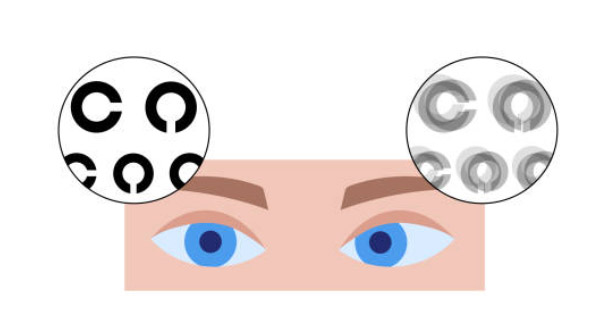
The most direct problem from lazy eye is lasting vision loss. If treatment doesn’t happen during the brain’s early development stages—usually from birth to about age seven—the brain won’t learn how to use the weaker eye properly. Even with glasses later on, vision in that eye may always stay below normal. The eye itself is fine, but the brain never learned to “see” clearly with it.
Loss of depth perception
Another issue is poor depth perception. The brain uses both eyes to figure out space and distance. When one eye is ignored, that sense of depth becomes weaker. As a result, hand-eye coordination suffers. Tasks like catching a ball, pouring drinks, or driving may become harder. Even though most people rely on their stronger eye, the weaker one limits their full range of ability.
Risk to the stronger eye
A big concern with untreated lazy eye is what happens if the strong eye gets hurt or sick later. Since the good eye does all the work, losing it would leave the person with very poor vision. There’s no backup. That’s why protecting both eyes from the start is so important.
Emotional and social impact
Kids with lazy eye may also face emotional struggles. Wearing an eye patch or glasses can cause embarrassment. Other children may tease them. This can lead to low confidence or avoiding social events. These feelings might also make a child refuse to wear the patch, which lowers the success of treatment.
School and learning challenges
Some children with untreated lazy eye may fall behind at school. Poor vision in one eye can make reading and writing difficult. They may lose their place in a book or skip words. These issues can be confused with learning problems, which may lead to stress or the wrong kind of help at school.
Developmental delays from vision problems
Children may also have delays in learning physical tasks. Without good binocular vision, they struggle with tying shoes, using scissors, or riding a bike. These delays might seem small, but they can affect how a child fits in with others and how they see themselves.
Serious problems from obstruction-based amblyopia
In some cases, lazy eye happens because of cataracts, drooping eyelids, or similar blockages. This is called deprivation amblyopia. If the blockage isn’t removed early, the brain’s whole visual system can stop growing. Surgery later won’t fix the problem if that early learning window has closed.
Persistent eye misalignment
Lazy eye caused by eye turning (strabismus) can also lead to more problems if left untreated. The eyes may stay out of line, causing double vision or poor eye contact. Fixing the misalignment later with surgery is harder and may not work as well. Headaches and eye strain can also happen if the eyes don’t work together.
Career limitations in adults
Adults with a history of lazy eye may face limits in some jobs. Certain roles—like pilots, truck drivers, surgeons, or police officers—require strong vision in both eyes. Even if the dominant eye works well, having a weak eye can close doors to some careers.
Recurrent lazy eye
Some kids improve with treatment, but their vision gets worse again when therapy ends too soon. This is called recurrent amblyopia. It often happens when patching or eye drop treatments stop suddenly. Regular checkups are needed to make sure progress stays on track.
Delayed diagnosis and lack of care
One big public health concern is missed or late diagnosis. Children who don’t get vision checks—either because of cost, lack of information, or no access—are more likely to face these problems. Public awareness, school screenings, and better access to eye care can help stop these avoidable issues.
Complications of Lazy Eye can impact quality of life
The complications of lazy eye include lasting vision problems, trouble with depth, weak coordination, risks to the good eye, struggles in school, delays in physical skills, and emotional stress. These issues don’t just affect sight—they touch many parts of life. The good news is that early treatment works. But it needs to be followed carefully and continued for long-term success. That’s the best way to protect a child’s vision and future.