
Complications of leprosy can be debilitating, disfiguring, and long-lasting if the condition is not diagnosed and treated early. Complications of leprosy arise both from the direct effects of the Mycobacterium leprae bacteria on the body and from the immune system’s response to the infection. Though leprosy itself is a chronic infectious disease, it is often the resulting complications that cause the most suffering and disability for affected individuals. Addressing these complications is essential not only for improving quality of life but also for reducing stigma and social isolation.
Nerve Damage and Secondary Injuries
One of the most serious complications of leprosy is nerve damage. The bacteria attack and inflame nerves, especially in the hands, feet, and face. Damaged nerves stop the body from feeling pain or temperature changes. At first, this might not seem dangerous. But without pain as a warning, people can get burns, cuts, or other injuries without knowing it.
Over time, these injuries may turn into chronic wounds or infections. Some people even lose fingers or toes. In fact, the deformities that many people link to leprosy often come from repeated injuries, not the disease itself.
Eye Problems and Vision Loss
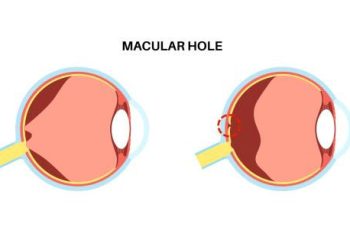
Another major concern under the scope of complications of leprosy is eye involvement. The bacteria can damage facial nerves that help with blinking. When people cannot close their eyes fully, a condition called lagophthalmos, their eyes become dry and unprotected. Dust and germs can then enter more easily.
This increases the risk of corneal ulcers and, if untreated, blindness. On top of that, long-lasting swelling inside the eyes can lead to other issues like iritis or glaucoma, making vision worse.
Deformities, Weakness, and Stigma
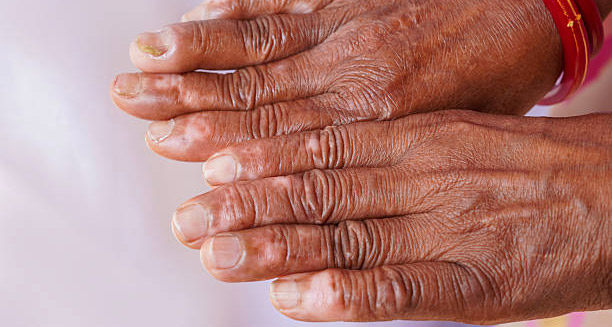
Muscle weakness and deformities are also key complications of leprosy. When nerves like the ulnar, radial, or peroneal nerves get damaged, people may develop clawed hands, foot drop, or wrist drop. These changes make it hard to do daily tasks.
Even worse, visible deformities often lead to shame or rejection. Many people with signs of leprosy get excluded from work, school, or social events. This can cause emotional pain, depression, and a deep sense of isolation.
Immune Reactions and Internal Organ Damage
Leprosy can also cause strong immune reactions. These include Type 1 (reversal) and Type 2 reactions, such as erythema nodosum leprosum (ENL). These reactions cause sudden skin and nerve swelling. People may get fever, swelling, joint pain, and new nerve problems.
If not treated quickly, these reactions can cause even more nerve damage. Type 2 reactions are especially risky. They can keep coming back and may affect internal organs like the kidneys, liver, and spleen.
Social and Emotional Impact
Social complications play a big role in how leprosy affects people. Even after successful treatment, many still face discrimination. This is often due to old myths that the disease spreads easily or never goes away. In some places, people with leprosy get kicked out of their homes, lose jobs, or even face divorce.
This fear stops others from getting help early, which leads to more problems later. Some people end up homeless, undernourished, or deeply depressed. Sadly, some even think about suicide due to the emotional burden.
Chronic Ulcers and Risk of Amputation
Chronic ulcers, especially on the soles of the feet, are common complications of leprosy. These wounds often become infected and need long-term care. Some cases require surgery. If left untreated, the infection can reach the bone, causing osteomyelitis.
When that happens, amputation may be the only option. In poorer areas with limited medical care, these wounds add greatly to the disease’s overall burden.
Internal and Systemic Complications of Leprosy
In rare cases, leprosy can spread throughout the body. This usually happens in multibacillary leprosy when treatment is delayed. The bacteria may damage the testicles, causing shrinkage and infertility. They can also harm the kidneys or cause the liver and spleen to grow too large.
While less common today, these problems still happen in places where people struggle to access care.
Economic Burden and Long-Term Costs
The long-term complications of leprosy affect not just health but also income. People who are disabled by the disease may not be able to work. They might lose their jobs or stop going to school. Families can suffer too.
Medical care for wounds, devices to help movement, and surgery costs add up. This creates financial strain, especially in poorer countries. Public health systems need to do more than just provide medicine. They must also offer rehab, mental health care, and help people rejoin society.
Preventing Complications of Leprosy
To reduce the impact of complications of leprosy, early detection and sticking to multidrug therapy (MDT) are key. If started soon enough, MDT can stop the disease from getting worse and prevent nerve damage.
Raising awareness through education is also vital. It helps fight stigma and encourages people to seek care early. People who already have problems need rehab services like physiotherapy, occupational therapy, or surgery. These steps help restore movement and boost confidence.
Addressing All Complications of Leprosy
In conclusion, complications of leprosy go far beyond skin symptoms. Nerve damage, disfigurement, vision problems, and social rejection can deeply affect a person’s life. To tackle all these issues, care must cover the whole person.
This means combining medicine, therapy, emotional support, and public education. With early action, many serious effects of the disease can be avoided. People can then live full lives without pain or shame.