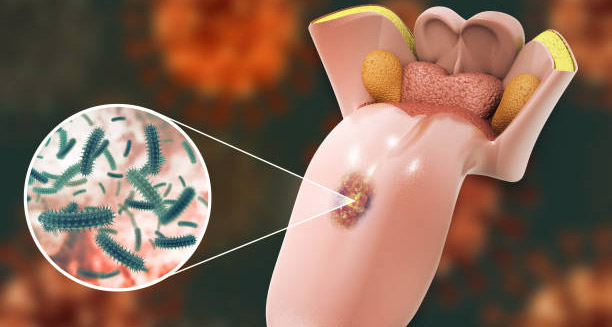

Complications of leukoplakia can range from minor mouth discomfort to serious, life-threatening problems like oral cancer. Understanding the complications of leukoplakia is important for catching it early and managing long-term oral health. Most cases are harmless, but some have a higher chance of turning into cancer. This risk is greater in people who smoke or have weak immune systems.
Risk of Cancer in Leukoplakia
One major concern is that leukoplakia can turn into cancer. It is seen as a precancerous condition. Research shows that about 3% to 17.5% of leukoplakia cases may turn into squamous cell carcinoma over time. This risk is much higher with non-homogenous leukoplakia, especially if the patches look speckled or bumpy. If a biopsy shows changes in the cells, the danger increases, and doctors may suggest surgery or close monitoring.
Recurrence and Persistent Lesions
Another issue is that leukoplakia can come back after treatment. Even after removing the patches with surgery, lasers, or freezing, they may reappear. This happens more often if the person keeps using tobacco or drinking alcohol. These recurring patches can cause ongoing pain, especially while eating, talking, or brushing. Long-term cases also mean more doctor visits and more biopsies. This can feel emotionally draining and cost a lot over time.
Psychosocial and Emotional Impact
Leukoplakia can also affect a person’s mental and emotional well-being. People with visible or large patches in the mouth often feel embarrassed or anxious. This is worse if the spots are on the lips or front of the tongue. As a result, they may avoid social situations. In serious cases, the fear of cancer or feeling judged can even lead to depression or pulling away from others.
Functional Problems in the Mouth
Some complications of leukoplakia involve problems with how the mouth works. If the patches are near important areas like salivary glands or the sides of the tongue, they can cause pain or stiffness. This makes it hard to chew or speak clearly. If the condition turns into cancer and needs surgery, it may lead to lasting issues with swallowing or talking.
Complications of Leukoplakia in Immunocompromised People
People with weak immune systems are more likely to develop severe forms of leukoplakia. For instance, those with HIV/AIDS may get a type called hairy leukoplakia. This form is strongly linked to Epstein-Barr virus. While it usually does not become cancer, it may signal that the person’s immune health is getting worse. In these cases, leukoplakia is part of a bigger health problem, which might also include other infections and poor healing.
Diagnostic Challenges and Delays
Even finding the right diagnosis can be a problem. Not all white patches in the mouth are leukoplakia. Conditions like lichen planus, fungal infections, or chemical burns can look very similar. If doctors don’t take a biopsy or misread the signs, cancer may go unnoticed—especially in places with few dental specialists. That’s why careful exams and follow-up are so important for anyone with suspicious patches.
From Leukoplakia to Oral Cancer
When complications of leukoplakia lead to oral cancer, the results can be serious or even deadly. Advanced oral cancer often needs strong treatment, like surgery, radiation, or chemotherapy. These treatments can cause side effects, including disfigurement and trouble with speech or swallowing. The chances of surviving are much better when cancer is found early. That’s why any case of leukoplakia must be taken seriously from the start.
Cost and Access to Care
Money problems can also be a complication. Regular check-ups, tests, surgery, and follow-ups all add up. In many places, dental care isn’t fully covered by insurance. This makes it hard for some people to get the care they need. In lower-income areas, there may not even be access to the right specialists. This delay can lead to worse outcomes and more advanced disease.
Preventing Complications of Leukoplakia
The good news is that many of these problems can be prevented. Quitting smoking and drinking less alcohol are key steps. Keeping your mouth clean and seeing the dentist regularly also helps. In some cases, doctors may remove high-risk patches early to stop them from becoming cancerous later.
The Importance of Early Action
To sum up, the complications of leukoplakia affect not just the body, but also the mind and daily life. From cancer risk to emotional stress, this condition needs careful attention and regular follow-up. Doctors must help patients understand the risks and take early steps to avoid serious problems. New tools like biomarkers and easier tests may improve care in the future. Until then, staying informed and proactive is the best way to manage this condition.