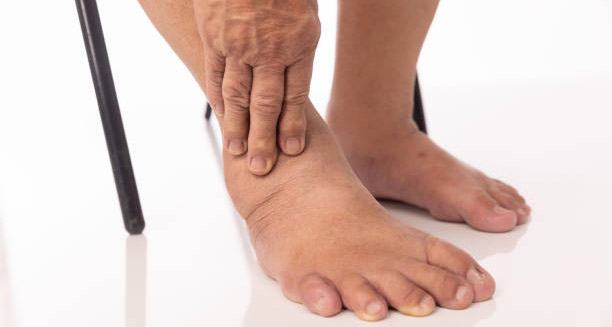

Complications of lymphoedema can be both physical and psychological, significantly affecting a patient’s overall health, mobility, and quality of life. As a chronic, progressive condition, lymphoedema must be carefully managed to avoid deterioration and potentially serious consequences. If left untreated or poorly controlled, lymphoedema can lead to irreversible tissue changes, recurrent infections, and even life-threatening complications.
Recurrent Infections
Infections happen often and are one of the most serious complications of lymphoedema. Cellulitis and lymphangitis are the most common types.
Cellulitis happens when bacteria enter through cuts or dry cracks in the skin. The area becomes red, warm, swollen, and painful. Fever and chills may follow soon after.
Lymphangitis is the swelling of the lymph vessels. It usually comes with cellulitis. These infections hurt the lymph system more, which increases swelling and creates a cycle of ongoing inflammation.
Doctors treat these infections quickly with antibiotics. To help prevent them, patients should clean their skin regularly, use moisturisers to stop cracking, and care for even small cuts right away.
Skin Changes and Fibrosis
Ongoing lymphoedema leads to permanent changes in the skin and the tissue under it.
- Hyperkeratosis: The skin becomes thick, dry, and rough.
- Papillomatosis: Wart-like lumps grow due to long-term fluid build-up.
- Fibrosis: Swelling and protein build-up make the tissue hard and stiff.
These changes reduce movement and make the limb harder to treat. The skin becomes easier to damage. Once the tissue becomes fibrotic, it usually stays that way unless treated with surgery.
Lymphorrhoea
Lymphorrhoea happens when lymph fluid leaks out through the skin. It starts when the skin stretches too much and breaks open.
This problem:
- Raises the chance of infections
- Causes wounds that don’t heal easily
- Leads to emotional stress and embarrassment
To treat this, doctors focus on controlling the complications of lymphoedema. Patients also need dressings to protect the skin. Moisturising and proper compression help stop the skin from breaking.
Reduced Mobility and Function
As swelling grows and tissues harden, moving joints becomes harder. The knees, ankles, wrists, or fingers often get stiff. Over time, the swollen limb gets heavy, and flexibility drops.
This can:
- Change how a person walks or stands
- Increase the chance of falling
- Cause weak muscles due to low movement
Physical and occupational therapy helps patients keep their strength. In later stages, tools or devices may help with daily tasks.
Psychological and Social Impact of Lymphoedema
The emotional and social complications of lymphoedema are just as serious as the physical ones.
Many people feel upset because of:
- Swollen limbs and changes in looks
- Embarrassment from using bandages or leaking fluid
- Fear of infections or worsening health
- Feelings of sadness, anger, or being alone
These feelings can lead to skipping treatments or avoiding care. Support groups, therapy, and mental health care help people cope and feel better.
Lymphangiosarcoma: A Rare but Deadly Complication
Although rare, lymphangiosarcoma is one of the most dangerous complications of lymphoedema. This cancer grows in long-term, untreated lymphoedema. Doctors also call it Stewart-Treves syndrome.
It often appears after breast cancer surgery and affects the swollen arm. The skin shows dark purple patches that look like bruises. It grows quickly and needs cancer treatment right away.
Patients with severe or long-term lymphoedema should check their skin often to catch signs early.
Deep Vein Thrombosis (DVT)
In some cases, people with lymphoedema may get deep vein thrombosis (DVT), especially if they move less or have severe swelling.
Signs include:
- Sudden increase in swelling
- Pain or soreness in the limb
- Skin that feels warm or looks red
If DVT is suspected, the person needs fast medical help. Blood clots can move to the lungs, causing a deadly condition called pulmonary embolism.
Loss of Limb Use in Advanced Cases
When lymphoedema becomes very severe and stays untreated, a person may lose the use of their limb.
The arm or leg may become:
- Very heavy
- Hard and stiff
- Often infected
In extreme cases, doctors may suggest amputation if infections or wounds can’t be controlled and the person’s health suffers.
Secondary Health Conditions Linked to Lymphoedema
The long-term complications of lymphoedema can cause other health problems too.
These include:
- Weight gain: Swelling and pain reduce movement, which may lead to obesity
- Diabetes: Less activity and more body fat raise the risk
- Heart disease: Poor fitness and stress put pressure on the heart
People should try to stay active, eat well, and get regular check-ups to avoid these added problems.
Summary
The complications of lymphoedema are serious and wide-reaching, especially without proper care. Infections, hardened skin, loss of movement, and rare cancers are just some of the risks. These problems can also cause stress, sadness, and even other health conditions.
But with early diagnosis and ongoing care, people can lower their risk. A full treatment plan — including medical help, physical therapy, mental support, and healthy habits — offers the best way to protect health and improve life.