
Complications of Marfan Syndrome
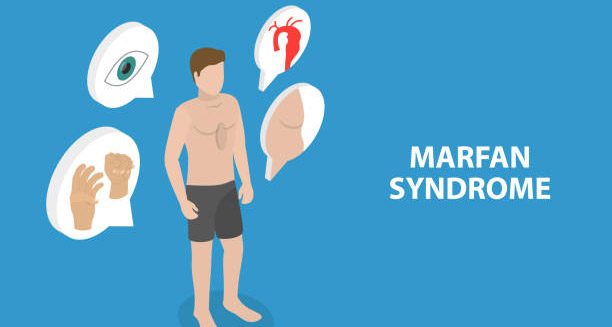
The complications of Marfan syndrome can be wide-ranging, often affecting several systems in the body due to the disorder’s impact on connective tissue. While some complications can be managed with lifestyle changes or medical treatment, others pose significant risks and may require emergency care or surgery. Understanding these potential complications is crucial for timely management and long-term health.
Cardiovascular Complications: The Greatest Threat
Among the complications of Marfan syndrome, cardiovascular problems are the most serious and potentially life-threatening. The aorta and heart valves are particularly vulnerable due to the weakness in connective tissue.
- Aortic Aneurysm and Dissection
An aortic aneurysm is the abnormal widening of the aorta, typically at the aortic root. This happens slowly as the aortic wall weakens.
Aortic dissection is a medical emergency. It happens when the inner layer of the aorta tears, allowing blood to split the layers of the wall. This can cause internal bleeding, stroke, organ failure, or sudden death if not treated immediately.
The risk of dissection increases with high blood pressure, trauma, pregnancy, or lack of medical monitoring. - Aortic Rupture
In rare and extreme cases, the aorta may rupture. This is usually fatal if it happens outside of a hospital. Aortic root surgery is often recommended before the aorta reaches a critical size to prevent this outcome. - Mitral Valve Prolapse and Regurgitation
The mitral valve, which separates the upper and lower chambers on the left side of the heart, can become weakened and floppy. This causes mitral valve prolapse (MVP), where the valve flaps bulge backward.
It often leads to mitral regurgitation, a condition where blood leaks back into the left atrium, causing fatigue, shortness of breath, and in severe cases, heart failure. - Arrhythmias
Structural changes in the heart can lead to abnormal heart rhythms (arrhythmias). These may cause palpitations, dizziness, fainting, or even sudden cardiac arrest if severe.
Ocular Complications: Vision-Threatening Issues
The eyes are commonly affected in Marfan syndrome. These complications can significantly affect the quality of life and vision.
- Ectopia Lentis (Lens Dislocation)
The connective tissue supporting the eye lens is often weak or stretched. This can cause the lens to shift out of place, leading to blurred or double vision.
In some cases, surgery is needed to remove or replace the lens. - Retinal Detachment
Due to the long shape of the eye and weak connective tissue, individuals are at higher risk of retinal tears and detachment. This can cause flashes of light, floaters, or sudden vision loss.
Retinal detachment is a medical emergency and needs quick surgical repair. - Early-Onset Cataracts and Glaucoma
Cataracts can develop at a younger age than in the general population.
Glaucoma, a condition where eye pressure increases and damages the optic nerve, is more common in people with Marfan syndrome. If untreated, it can lead to vision loss.
Musculoskeletal Complications: Physical Strain and Deformity
Marfan syndrome weakens bones and joints, leading to:
- Scoliosis
Spinal curvature affects up to 60% of patients. It can worsen during growth spurts. If severe, it may affect posture, movement, and even breathing.
Bracing or surgery may be needed to prevent long-term disability. - Pectus Deformities
Pectus excavatum (sunken chest) or pectus carinatum (pigeon chest) can cause emotional distress and, in some cases, reduce lung function.
Surgery may be recommended if breathing is affected or for cosmetic reasons. - Joint Hypermobility and Pain
Joints may be too flexible, leading to sprains, dislocations, and chronic pain.
Over time, early-onset osteoarthritis can develop because of joint instability and repetitive strain. - Flat Feet and Foot Deformities
These can cause pain when walking or standing, especially in adulthood.
Custom orthotics or supportive shoes can help, but surgery may be considered in severe cases.
Pulmonary Complications: Breathing Difficulties
Although less common than heart issues, lung-related problems can also be significant in Marfan syndrome.
- Spontaneous Pneumothorax
A collapsed lung may happen unexpectedly, especially in tall, thin individuals.
Symptoms include sudden chest pain and shortness of breath. Emergency care is needed, and surgery may be required for repeated cases. - Sleep Apnoea
Due to craniofacial and airway abnormalities, some individuals may experience obstructive sleep apnoea. This can lead to disrupted sleep, fatigue, and extra strain on the heart. - Restrictive Lung Disease
In severe skeletal deformities (like scoliosis), lung expansion can be limited, reducing oxygen intake and exercise capacity.
Neurological Complications: Nerve and Spine Issues
The connective tissue around the brain and spinal cord is also affected in Marfan syndrome, leading to specific neurological problems.
- Dural Ectasia
The dura (the membrane around the spinal cord) stretches and balloons outward.
This can cause chronic lower back pain, numbness, leg weakness, or headaches that worsen when standing.
MRI can help diagnose it. Treatment includes pain management, and in rare cases, surgery. - Chiari Malformation
Although rare, the brainstem may protrude into the spinal canal because of skull shape abnormalities.
This can lead to balance problems, headaches, or difficulties with coordination.
Psychological and Emotional Complications
Living with a chronic condition like Marfan syndrome can have a psychological impact.
- Anxiety and Depression
Worry about complications or surgery can cause chronic stress or anxiety.
Adolescents may feel isolated due to appearance differences or activity limitations. - Body Image Issues
Traits like tall stature, long limbs, scoliosis, or chest deformities may lead to self-consciousness or social withdrawal.
Supportive counseling and peer groups can help individuals build confidence.
Reproductive and Pregnancy-Related Complications
Women with Marfan syndrome may face additional risks during pregnancy.
- Aortic Dilation or Dissection During Pregnancy
Pregnancy increases blood volume and heart output, which stresses the already weakened aorta.
Close cardiovascular monitoring and pre-conception counseling are crucial. - Genetic Transmission
Marfan syndrome is autosomal dominant, meaning each child has a 50% chance of inheriting the condition.
Genetic counseling can guide prospective parents on risks and testing options.
Long-Term Outlook and Quality of Life
Despite many potential complications, early diagnosis, regular monitoring, and advances in medical care have greatly improved life expectancy and quality of life for individuals with Marfan syndrome. Many complications are preventable or manageable if caught early.
With proper care, people with Marfan syndrome often live into their 70s or beyond.
Lifelong surveillance and working with a specialist team are essential for staying ahead of complications.
Patient education and empowerment lead to better self-monitoring and reduced emergency risks.
Summary
The complications of Marfan syndrome are varied and can affect nearly every major system in the body, from the heart and lungs to the eyes, spine, and joints. However, with early diagnosis and regular medical care, many of these complications can be managed or avoided. The most dangerous risks—like aortic dissection—require lifelong cardiovascular monitoring, while musculoskeletal and ocular complications can be managed with supportive therapies and surgery where necessary. Emotional and psychological support also plays a key role in long-term well-being. With the right care, individuals with Marfan syndrome can live healthy, fulfilling lives.